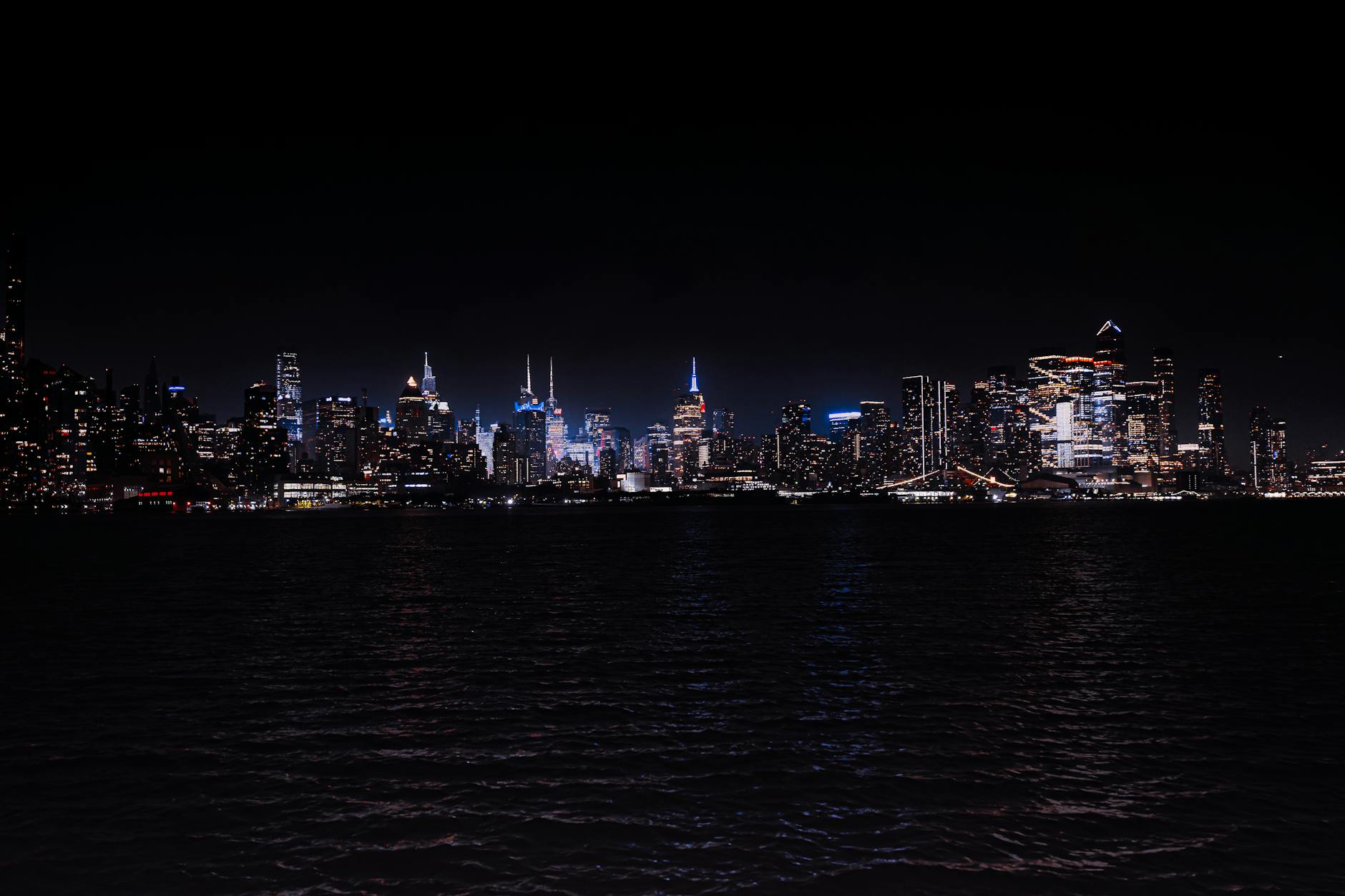
Your Complete Guide to New York, NY
New York City is a place where nearly 8.3 million people from around the world create an electric energy that pulses through its five boroughs. What draws visitors here isn’t just the famous sights—though Times Square’s sensory overload and Central Park’s unexpected tranquility are certainly worth experiencing—it’s the genuine sense that anything is possible in a city this diverse and dynamic.
You’ll discover that New York’s character shifts block by block. Manhattan offers iconic architecture and world-class museums, while Brooklyn brings trendy cafes, galleries, and waterfront parks. Queens and The Bronx reveal authentic neighborhoods where you’ll find some of the city’s best food, often at prices that won’t drain your wallet. Each area has its own rhythm and culture waiting to be explored.
The variety of experiences available here is staggering. You can catch a Broadway show, explore cutting-edge art installations, hike through green spaces, sample cuisines from every continent, dance until dawn, or simply people-watch from a bench. The food scene alone—from Michelin-starred restaurants to legendary delis and street vendors—reflects the city’s multicultural soul.
For accommodations, you’ll find everything from budget hostels and affordable chain hotels to luxury penthouses. Whether you’re backpacking or indulging, there’s a place for your budget. New York rewards the curious and welcomes the adventurous.
When to Visit New York
Visit New York in May or September-October when temperatures hit 60-75°F and hotel rates drop 25-35% below summer peaks. These shoulder seasons offer pleasant weather with manageable crowds—September particularly benefits from back-to-school lulls before fall tourism ramps up. Avoid June-August when temperatures exceed 85°F, humidity spikes to 70%+, and hotel rates increase 40-50%; Broadway tickets also cost 30% more during summer. Book May trips 6-8 weeks ahead and September-October visits 8-10 weeks prior, noting that Fashion Week (mid-September) temporarily raises Midtown hotel prices 20%.
Where to Stay in New York
New York offers diverse accommodation options to suit every budget. Hostels typically range from $30–$60 per night, while mid-range hotels cost $150–$300, and luxury properties exceed $400. Vacation rentals and Airbnb options provide flexible alternatives across all price points. For first-time visitors, Manhattan neighborhoods like Midtown offer convenient access to major attractions, while Brooklyn’s Williamsburg and the Upper West Side provide excellent transit connections with a more residential feel. Booking in advance is strongly recommended, especially during peak seasons (summer and holidays) and around major events like Fashion Week or New Year’s Eve, when availability shrinks and prices spike significantly. Off-season visits in fall and winter often yield better rates and easier availability.
Whether you’re looking for budget hostels, mid-range hotels, or luxury accommodations, New York has options for every traveler.
Search New York Hotels on Booking.com →
Neighborhoods Guide
Manhattan’s Upper West Side is located on the western side of midtown Manhattan and exudes a sophisticated, intellectual charm that appeals to families and cultural enthusiasts. This neighborhood is renowned for its world-class institutions including the American Museum of Natural History, Lincoln Center, and the New York Public Library’s main branch, making it a haven for arts lovers and students. The tree-lined streets feature excellent restaurants ranging from casual cafes to fine dining establishments, boutique shops, and cozy bookstores that give the area a refined, European feel. Upper West Side neighborhoods are well-patrolled and known for their strong community presence, making them ideal for families seeking a cultured environment with excellent schools and parks like Central Park nearby. This area suits professionals and families who value accessibility to culture and education over nightlife.
Brooklyn’s Williamsburg sits along the East River waterfront and has transformed into one of New York’s most vibrant, trendy neighborhoods with a young, creative energy that’s magnetic to millennials and artists. Known for its converted warehouses, street art, indie boutiques, and some of the city’s most innovative restaurants and craft breweries, Williamsburg represents the new Brooklyn aesthetic that attracts entrepreneurs and creative professionals. The neighborhood offers stunning Manhattan skyline views, waterfront parks, and an eclectic nightlife scene ranging from dive bars to rooftop lounges that keep the area buzzing until late. The area maintains a welcoming, community-focused atmosphere with active neighborhood watch initiatives ensuring residents and visitors feel secure exploring day and night. Williamsburg is perfect for young professionals, artists, and anyone seeking a cutting-edge neighborhood with excellent food, culture, and social scenes.
Manhattan’s Chinatown is located in lower Manhattan and pulses with authentic cultural energy, affordable dining, and traditional heritage that makes it one of the city’s most unique and immersive neighborhoods. Visitors come for incredible dim sum restaurants, fresh seafood markets, herbal medicine shops, and street vendors selling traditional snacks, creating an experience far removed from typical tourist attractions. The neighborhood’s narrow streets, colorful signage in Mandarin and Cantonese, and centuries-old community organizations offer travelers genuine cultural immersion impossible to find elsewhere in the city. Well-established community policing and local business associations maintain safe, welcoming streets filled with families shopping and dining throughout the day. Chinatown suits adventurous eaters, cultural tourists, and travelers wanting affordable accommodations with authentic experiences over upscale amenities.
Manhattan’s Midtown East sits at the commercial heart of New York and represents the iconic, bustling Manhattan most visitors envision, featuring world-famous landmarks like Times Square, Grand Central Terminal, and the Empire State Building. This neighborhood caters to tourists and business travelers with countless hotels, Broadway theaters, flagship retail stores, and restaurants ranging from quick casual bites to Michelin-starred establishments. The constant activity and heavy police presence ensure excellent safety and visibility throughout the day, though the crowds can be overwhelming for those preferring quieter neighborhoods. Midtown East works best for first-time visitors wanting to experience classic New York attractions and for business travelers needing convenient hotel and transportation access.
Queens’ Astoria is located just across the East River from Manhattan and offers a multicultural, neighborhood-feel experience with exceptional value, diverse dining, and genuine community character that appeals to budget-conscious travelers and families. The neighborhood celebrates its Greek heritage alongside thriving communities from Latin America, Asia, and Eastern Europe, creating outstanding international restaurants, bakeries, and cultural institutions found nowhere else in the city. Tree-lined residential streets, affordable rents, excellent public transportation, and waterfront parks make Astoria increasingly popular with young professionals seeking alternatives to expensive Manhattan neighborhoods. The area maintains a safe, family-oriented atmosphere with strong neighborhood engagement and growing commercial revitalization attracting new restaurants and bars. Astoria suits travelers wanting authentic neighborhood experiences, diverse food scenes, and more affordable options without sacrificing quality or safety.
Budget Planning
Budget Traveler: $100-130/day Stay in hostels ($30-45) or budget hotels in areas like Murray Hill or Chinatown. Eat at food carts, delis, and casual spots ($25-35 daily). Use the MetroCard for subway/buses ($33 weekly or $2.90 per ride). Enjoy free attractions: Brooklyn Bridge walk, Central Park, High Line, and museum pay-what-you-wish hours. Budget $10-20 for occasional paid activities. Money-saving tip: Many museums offer free admission hours weekday evenings.
Mid-Range Traveler: $250-320/day Choose 3-star hotels in neighborhoods like Upper West Side or Hell’s Kitchen ($120-160). Dine at casual sit-down restaurants and occasional nicer spots ($70-90 daily). Subway access costs around $33 weekly. Allocate $40-60 for attractions: Broadway TKTS discounted tickets, Empire State Building, or Broadway theater. Include theater shows or museum admissions regularly. Tip: Book hotels Sunday-Thursday for better rates.
Luxury Traveler: $600+/day Stay in 4-5 star hotels in Midtown, Fifth Avenue, or Lower Manhattan ($300-500+). Fine dining experiences cost $80-150+ per meal. Private car services or cabs supplement subway use ($50+ daily). Premium activities include front-row Broadway seats, VIP museum tours, and exclusive experiences ($100-200+). Expect higher overall spending with upscale shopping and premium entertainment options throughout your stay.
Getting Around New York
New York’s public transit remains the smartest way to navigate this sprawling metropolis of 8.3 million people. The subway system dominates, with single rides costing $2.90 using the OMNY tap-to-pay system—simply tap your phone or contactless card at turnstiles. Unlimited weekly passes run $33, offering excellent value for visitors planning multiple trips daily. Buses also accept OMNY at the same $2.90 fare and complement the subway network perfectly for crosstown travel.
Manhattan’s primary neighborhoods are remarkably walkable, especially Midtown, the Upper West Side, and Downtown areas where many attractions cluster within reasonable distances. However, for outer boroughs or longer journeys, the extensive subway network proves invaluable and far cheaper than alternatives. Rideshare services like Uber and Lyft remain available but average $15–25 for typical crosstown trips, making transit passes significantly more economical.
Car rentals aren’t recommended unless exploring distant areas. Parking costs exceed $25 daily, and congestion pricing in central Manhattan adds extra expenses. Instead, rely on the integrated OMNY system, grab an unlimited pass, and embrace the city’s pedestrian-friendly design for an authentic, budget-conscious New York experience.
Festivals & Annual Events
New York City pulses with energy year-round, hosting world-class events that draw millions of visitors. Whether you’re a culture enthusiast, foodie, or sports fan, the city offers unforgettable experiences throughout the calendar.
New York Fashion Week dominates the spring (February) and fall (September) seasons, transforming the city into a global fashion capital. Designers showcase collections to industry professionals and press, though some events offer limited public access. The energy and prestige associated with NYFW make it essential viewing for fashion lovers.
The New York Film Festival arrives each fall (September-October) at Lincoln Center, presenting acclaimed international and independent films. This ticketed event attracts cinephiles and celebrities alike, offering opportunities to see films before wider releases.
Tribeca Festival (April-May) celebrates cinema with screenings, talks, and events throughout Lower Manhattan. Founded to support the neighborhood after 9/11, it’s become one of America’s premier film festivals with both ticketed and free events.
Thanksgiving Day Parade (November) remains an iconic American tradition, featuring giant character balloons, celebrity performances, and elaborate floats along a route from the Upper West Side to Herald Square. This free event draws over 2 million spectators annually.
New Year’s Eve in Times Square (December 31st) is perhaps the world’s most famous New Year’s celebration, where nearly a million people gather to watch the iconic ball drop. Free to attend, though arriving early is essential for prime viewing spots.
Feast of San Gennaro (September-October) in Little Italy offers Italian food, music, and cultural celebrations. This free street festival features authentic cuisine and vibrant street performances.
US Open Tennis Tournament (late August-early September) at Flushing Meadows showcases elite athletes competing for Grand Slam glory. Tickets vary by match prestige, making it accessible to various budgets.
Hidden Gems & Local Favorites
While most tourists flock to Times Square, locals know the real magic happens in neighborhoods few visitors ever explore. City Hall Park sits just blocks from the chaos, offering a peaceful green space where New Yorkers actually escape the crowds on their lunch breaks. This hidden oasis features beautiful architecture, benches overlooking the historic building, and it’s completely free to enjoy any time of day.
For food lovers willing to venture into less-traveled territory, Joe’s Pizza on Bleecker Street remains an institution that hasn’t sacrificed quality for tourism dollars. The no-frills shop serves rectangular slices of authentic New York pizza that locals have been buying since 1975, making it worth a short wait during lunch hours. Expect to spend under five dollars for some of the city’s best pizza.
Art enthusiasts should discover The Rubin Museum of Art in Chelsea, a smaller, less overwhelming alternative to the major museums that focuses exclusively on Himalayan and Asian art. The museum offers pay-what-you-wish hours on Friday evenings, making it accessible and genuinely appreciated by locals rather than rushed tourists. The intimate galleries create a meditative experience impossible to find in larger institutions.
For stunning views without crowds, climb the stairs to Brooklyn Bridge Park’s Jane’s Carousel area during golden hour. This converted Jane’s Carousel provides stunning Manhattan skyline views and actually feels like watching the city rather than being watched by it.
Popular Tours & Experiences
New York City offers an incredible array of guided experiences that cater to every interest and budget. Whether you’re a first-time visitor or a seasoned traveler, there’s something magical waiting around every corner.
Architecture tours are absolutely essential for understanding NYC’s skyline and urban development. These guided walks take you through iconic neighborhoods, showcasing everything from Art Deco masterpieces in Midtown to the innovative designs of Lower Manhattan. These tours are budget-friendly, typically costing $25-50 per person.
Food tours have become wildly popular, allowing you to sample authentic cuisine while learning neighborhood histories and cultural influences. From Greenwich Village Italian gems to Chinatown’s hidden dim sum spots, food-focused guides provide insider access and tastings. These premium experiences usually run $60-100 per person but are absolutely worth the investment.
Historical walking tours bring NYC’s fascinating past to life, covering everything from Revolutionary War sites to the Harlem Renaissance. Knowledgeable guides share compelling stories that textbooks simply can’t capture. Many of these tours are budget-friendly or even free with suggested donations.
Statue of Liberty and Ellis Island boat tours remain iconic New York experiences, offering breathtaking views and moving immigration history lessons. Officially operated tours require pre-booking and run approximately $24-35 per person.
Broadway theater tours showcase the magic behind dazzling productions through backstage access and performer interviews, typically costing $75-150. Finally, free walking tours of Central Park combine nature, history, and architecture, making them perfect for budget-conscious visitors discovering the city’s green heart.
Sports & Entertainment
New York City stands as the undisputed capital of American sports and entertainment, hosting world-class institutions that attract millions of visitors annually. The city’s professional sports landscape is remarkably diverse, with the New York Yankees and New York Mets representing Major League Baseball at Yankee Stadium and Citi Field respectively, while the NFL’s New York Giants and New York Jets share MetLife Stadium across the Hudson River in New Jersey. The NBA’s New York Knicks call Madison Square Garden home, an iconic arena that also hosts the NHL’s New York Rangers and serves as the epicenter of basketball culture in the nation’s largest city.
Broadway remains the pinnacle of American theater, with nearly 40 theaters concentrated in Midtown Manhattan producing everything from classic revivals to cutting-edge new works that captivate audiences nightly. Lincoln Center for the Performing Arts serves as a sprawling cultural complex housing the Metropolitan Opera, New York Philharmonic, and New York City Ballet, making it one of the world’s premier performing arts destinations. The city’s comedy scene thrives at legendary clubs like Carnegie Hall for stand-up performances alongside world-famous venues such as the Apollo Theater in Harlem, which has launched countless musical careers.
Culturally, the Metropolitan Museum of Art and American Museum of Natural History rank among the world’s greatest museums, while the Museum of Modern Art showcases contemporary masterpieces. Madison Square Garden remains the most versatile venue, hosting everything from major concerts and sporting events to professional wrestling and entertainment spectacles. This extraordinary concentration of talent, venues, and institutions ensures New York perpetually delivers unmatched entertainment experiences.
Cultural Tips & Etiquette
New York is a fast-paced, diverse city where respect and efficiency matter. When dining out, tip 18-20% for good service; for taxis and rideshares, 15-18% is standard. Tip bartenders $1-2 per drink and housekeeping staff $3-5 daily. New Yorkers value directness and honesty over excessive politeness, so don’t take blunt communication personally. Dress smartly-casual in upscale restaurants and theaters; casual wear is fine for most venues. On public transit, offer seats to elderly and pregnant passengers. Avoid blocking subway doors and keep conversations at moderate volumes. New Yorkers move quickly, so walk purposefully on sidewalks and don’t stop abruptly. Winter months (December-February) require warm clothing; summer is hot and humid. Eat pizza with your hands, not utensils. Finally, respect personal space on crowded public transportation and embrace the city’s incredible cultural diversity with an open mind.
New York History
New York City began as a modest Dutch trading post called New Amsterdam in 1624, then transformed into an English colonial city in 1664. But the real explosion came after the American Revolution, when New York became a gateway for millions of immigrants seeking opportunity. Waves of Irish, Italian, Jewish, and Chinese newcomers built distinct neighborhoods—many still thriving today—that gave the city its legendary cultural diversity and energy.
The 19th and 20th centuries saw New York evolve into a global powerhouse. Immigrants and entrepreneurs built the subway system, constructed soaring skyscrapers, and created Broadway’s golden age. The city’s relentless ambition transformed it into a magnet for artists, dreamers, and ambitious workers from everywhere.
Today’s New York reflects this layered history at every turn. Walk through Greenwich Village to see where bohemian culture flourished, or explore the Lower East Side’s tenement museums to understand immigrant struggles and triumphs. The Statue of Liberty remains a powerful symbol of that immigrant legacy. Central Park, carved from rough terrain in the 1850s, shows how New Yorkers shaped their landscape. And Broadway theaters still showcase the creativity that made the city legendary.
This is a place constantly reinventing itself while honoring its past—where history isn’t confined to museums but alive in the streets, neighborhoods, and the unstoppable spirit of eight million people.
Frequently Asked Questions
How many days should I spend in New York?
Three to four days allows you to experience New York’s main attractions and explore several neighborhoods. If you want to visit museums, catch a Broadway show, and explore the food scene thoroughly, consider five to seven days.
Do I need a car, or is public transit sufficient?
Public transit is not only sufficient but highly recommended in New York. The subway system is extensive and affordable, and most attractions are easily accessible without a car. Taxis and ride-sharing apps are also readily available alternatives.
What are must-see attractions I shouldn’t miss?
Beyond Times Square, Central Park, Broadway, and the Statue of Liberty, don’t miss the Empire State Building, Brooklyn Bridge, the High Line elevated park, and the Metropolitan Museum of Art for world-class cultural experiences.
Is New York family-friendly and good for solo travelers?
Yes, New York is excellent for both families and solo travelers. Families enjoy Central Park, the American Museum of Natural History, and interactive attractions, while solo travelers benefit from the city’s walkability, diverse neighborhoods, and countless activities to explore independently.
What’s a hidden gem that’s worth visiting?
The Vessel at Hudson Yards is a stunning architectural marvel that fewer tourists know about, offering unique photo opportunities and access to a vibrant shopping and dining district away from the crowded main attractions.
Any day trips or nearby areas worth exploring?
The Hudson Valley is perfect for a day trip featuring hiking, wineries, and charming towns. You can also visit the Hamptons for beaches, or explore nearby New Jersey’s waterfalls and parks, all within one to two hours by train or car.
What local food or dish should I try?
You must try a classic New York bagel with cream cheese and lox, authentic New York-style pizza, and a hot dog from a street vendor. For a full meal experience, explore dim sum in Chinatown or roasted chicken in Spanish Harlem.
This page contains affiliate links. We may earn a commission from bookings made through these links at no additional cost to you.