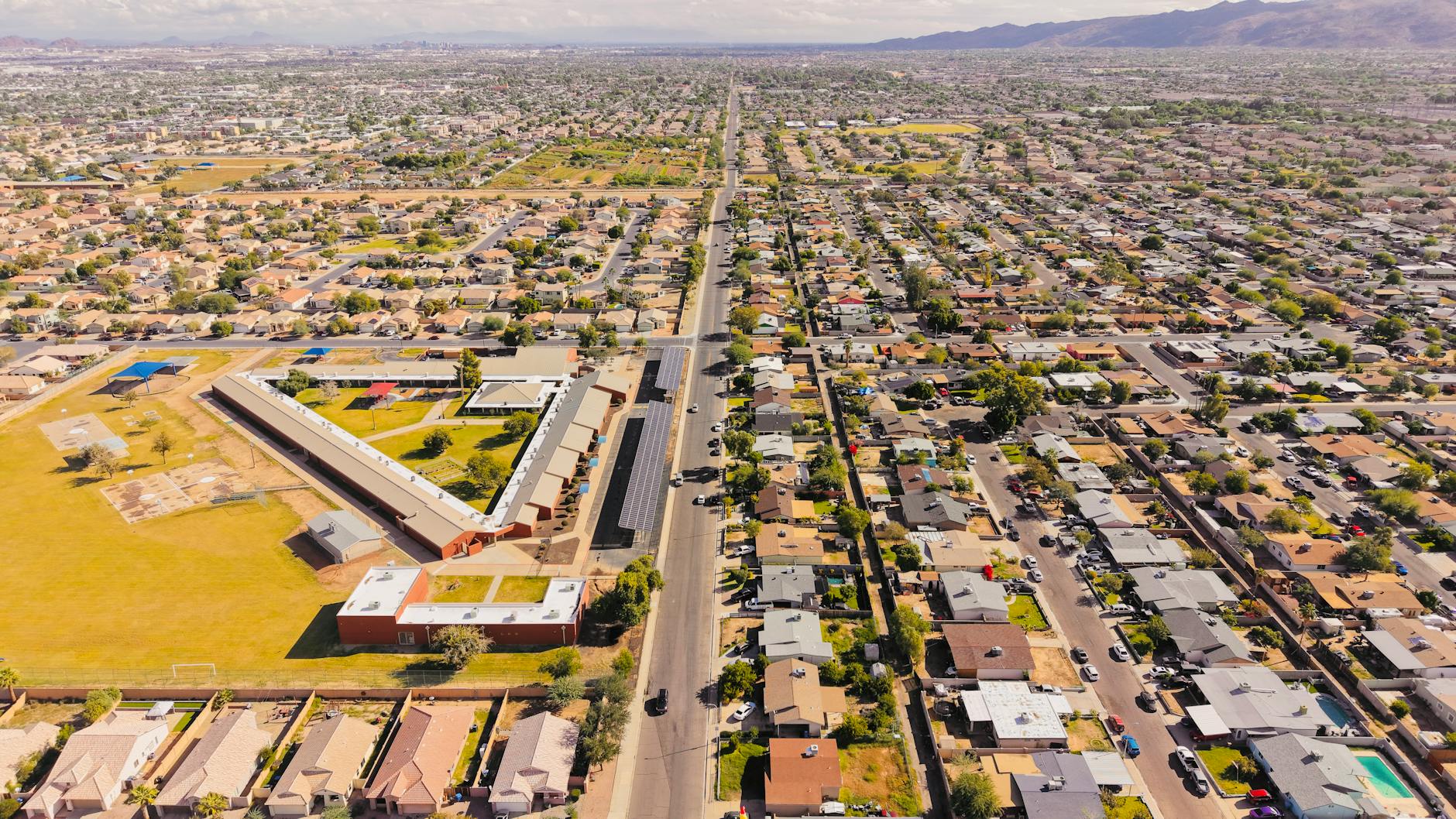
Your Complete Guide to Phoenix, AZ
Phoenix invites you to experience a vibrant desert metropolis where stunning natural landscapes blend seamlessly with urban culture. As Arizona’s capital and the nation’s fifth-largest city, Phoenix offers something for nearly every type of traveler, from outdoor enthusiasts to culture seekers and food lovers alike.
The city’s character emerges from its unique Sonoran Desert setting, where you’ll find world-class attractions like the Desert Botanical Garden and the challenging hike up Camelback Mountain. Beyond natural wonders, Phoenix delivers rich cultural experiences through institutions like the Heard Museum, dedicated to Native American art and heritage, while nearby Old Town Scottsdale provides a charming blend of galleries, shops, and restaurants with distinctive Southwestern character.
Your time here can include hiking and desert exploration, exploring contemporary art scenes, enjoying excellent Mexican and fusion cuisine, or relaxing at one of many golf courses and spas. The city’s neighborhoods each offer distinct personalities—from Downtown Phoenix’s urban energy to Scottsdale’s upscale shopping and dining, to Tempe’s college-town atmosphere near Arizona State University.
Accommodations range widely across all budgets, with everything from boutique desert resorts to practical chain hotels and vacation rentals throughout the metro area. Phoenix’s warm winters and abundant sunshine make it an appealing destination, though summers are intensely hot. The city works best as a base for exploring greater Arizona while offering plenty to discover within its boundaries.
When to Visit Phoenix
Visit November through April for ideal 65-80°F daytime temperatures and outdoor activities; March-April and October-November offer 30-40% cheaper hotels than winter peak season while maintaining pleasant 70-85°F weather. Skip December-February if seeking deals—winter peak drives rates up 50-60% and crowds spike with snowbird tourism. May and September-October are true sweet spots with 60-75°F weather, 20-35% lower rates than winter, and minimal tourist congestion. Book 8-10 weeks ahead for March-April spring training baseball season, when hotels sell out and prices spike 40-45% despite warm weather.
Where to Stay in Phoenix
Phoenix offers diverse accommodation options to suit every traveler and budget. You’ll find everything from budget-friendly hostels and motels starting around $50-80 per night, mid-range hotels averaging $100-180, to luxury resorts exceeding $250 nightly. Vacation rentals and Airbnb options provide flexibility across all price points.
For first-time visitors, Old Town Scottsdale is ideal for upscale dining and galleries, while Downtown Phoenix puts you near museums and cultural attractions. Midtown offers a trendy, walkable neighborhood with restaurants and shops. The airport area provides convenience if you’re staying briefly.
Book accommodations in advance, especially during peak season (November-April) and around major events like Spring Training baseball. Summer rates (May-September) are significantly lower, making it an economical time to visit despite the heat.
Whether you’re looking for budget hostels, mid-range hotels, or luxury accommodations, Phoenix has options for every traveler.
Search Phoenix Hotels on Booking.com →
Neighborhoods Guide
Downtown Phoenix is located in the heart of the city and has undergone a remarkable renaissance in recent years, transforming into a vibrant cultural and entertainment hub. This neighborhood pulses with energy, featuring world-class museums like the Phoenix Art Museum and Heard Museum, trendy restaurants, craft breweries, and a thriving nightlife scene. The streets are lined with historic buildings alongside modern high-rises, creating an eclectic architectural backdrop perfect for exploring on foot. Downtown is best for young professionals, culture enthusiasts, and tourists seeking an urban experience with plenty of dining and entertainment options, and the area benefits from increased security measures and well-lit public spaces that make it welcoming for visitors.
Scottsdale sits just east of Phoenix and represents the valley’s most upscale and sophisticated destination, known for its luxury resorts, championship golf courses, and world-renowned spas. Old Town Scottsdale charms visitors with its Western heritage, featuring art galleries, high-end boutiques, and acclaimed restaurants housed in charming southwestern-style buildings. The neighborhood attracts affluent travelers, retirees, and golf enthusiasts who appreciate its refined atmosphere and pristine desert landscapes. Scottsdale’s well-maintained neighborhoods and active community presence create a safe, resort-like environment where visitors can indulge in premium shopping, dining, and wellness experiences.
Tempe is located south of Phoenix and offers a youthful, college-town atmosphere centered around Arizona State University’s vibrant campus. This neighborhood thrives on student energy, independent coffee shops, vintage record stores, and a diverse food scene ranging from food trucks to innovative restaurants. Mill Avenue, the main drag, buzzes with activity day and night, making it perfect for young travelers, students, and anyone seeking a more casual, bohemian vibe with authentic local character. The neighborhood maintains good community policing and benefits from active foot traffic that creates a naturally safe, welcoming environment.
Paradise Valley sits nestled between Scottsdale and Phoenix and offers a serene, exclusive residential escape with a more intimate atmosphere than its glitzy neighbor. Known for dramatic desert landscapes, upscale dining establishments, and luxury hiking trails, this neighborhood appeals to those seeking natural beauty combined with refined amenities. The area is particularly appealing to affluent families and travelers wanting peaceful surroundings with convenient access to Phoenix’s attractions. Paradise Valley’s gated communities and low-density development create a secure, tranquil setting perfect for relaxation.
Arcadia is located northeast of Downtown Phoenix and represents an underrated gem offering suburban charm with excellent local restaurants, antique shops, and the famous Arcadia Farmers Market. This neighborhood attracts foodies, families, and explorers who appreciate authentic local culture without the tourist crowds found in more popular areas. The tree-lined streets and neighborhood feel make it ideal for leisurely exploration and discovering hidden culinary treasures. Arcadia maintains strong community engagement and neighborhood watch programs, creating a safe, welcoming environment for visitors.
Budget Planning
Budget Traveler ($80-110/day): Hostels and budget hotels in downtown Phoenix or near popular areas run $25-40 nightly. Meals cost $25-35 daily through casual tacos, food trucks, and casual cafes. Local buses and light rail trips average $10-15, or consider a day pass for unlimited transit. Free activities like hiking Camelback Mountain, exploring Roosevelt Row’s street art, and visiting Desert Botanical Garden on discounted evenings keep costs low. Total: approximately $85/day. Money-saving tip: Many museums offer free admission on specific evenings—check ahead.
Mid-Range Traveler ($180-250/day): Three-star hotels near popular neighborhoods like Scottsdale or Central Avenue average $100-130 nightly. Dining at casual sit-down restaurants costs $40-60 daily. Rental cars or ride-sharing runs $25-35 for comfortable transportation. Paid attractions like Taliesin West or Phoenix Art Museum add $40-50. Total: approximately $210/day. Consider package deals combining hotel and attraction discounts for savings.
Luxury Traveler ($400-600+/day): Four-star resorts with premium amenities cost $250-400 nightly in upscale areas like Scottsdale. Fine dining experiences run $80-120 daily. Private transportation or rental premium vehicles cost $50-75. Exclusive experiences like spa treatments and VIP desert tours add $100-150. Total: approximately $520/day minimum.
Getting Around Phoenix
Phoenix remains a sprawling desert metropolis where having wheels is genuinely helpful. The Valley Metro light rail connects downtown to Mesa with fares at $2.50 per ride, while bus service costs $2.25, making public transit affordable though limited compared to denser cities. Consider the Day Pass at $5.50 for unlimited same-day travel if exploring multiple neighborhoods.
Rideshare options like Uber and Lyft dominate the transportation landscape, with typical short trips running $8-15 and longer cross-valley journeys reaching $20-35 depending on surge pricing. Traditional taxis remain available but are less convenient than app-based services.
Car rental remains your best bet for serious exploring, as Phoenix’s low density means attractions spread across vast distances. Budget around $40-60 daily for midsize vehicles. Downtown and Old Town Scottsdale offer walkable stretches, but most neighborhoods require motorized transport.
Skip the pricey hop-on-hop-off buses. Instead, use Google Maps for transit timing, download the Valley Metro app for real-time updates, and take advantage of free parking at most attractions. Pack sunscreen and stay hydrated—Phoenix’s heat is relentless even when traveling.
Festivals & Annual Events
Phoenix’s vibrant event calendar offers something for everyone throughout the year. Phoenix Open in Golf takes place each January at TPC Scottsdale, attracting thousands of golf enthusiasts who enjoy the relaxed atmosphere and world-class competition. This ticketed event is famous for its energetic fans and the iconic 16th hole, where spectators create an electric atmosphere.
In February, the Arizona Craft Beer & Spirits Festival celebrates the region’s thriving craft beverage scene with tastings, live music, and food pairings (ticketed). Spring brings the beloved Scottsdale Arts Festival in March, a free outdoor event showcasing visual arts, performing arts, and fine craftsmanship across Old Town Scottsdale’s picturesque streets.
Music lovers should mark their calendars for Innings Festival in February, a multi-day event featuring live music, baseball, and food, held at Tempe Beach Park with both free and ticketed experiences available. Summer heat doesn’t stop the action—Arizona Monsoon Festival in July celebrates the dramatic desert storm season with outdoor activities, food trucks, and community gatherings (free).
Fall brings the acclaimed Heard Museum Indian Market & Festival in March, featuring Native American artists, cultural demonstrations, and traditional performances (ticketed). Finally, Desert Botanical Garden’s Desert Bloom Festival in spring showcases the garden’s spectacular wildflower and cactus displays with guided tours and special programming.
These festivals reflect Phoenix’s diverse culture, natural beauty, and community spirit, making them essential experiences for visitors exploring the Valley of the Sun year-round.
Hidden Gems & Local Favorites
Taliesin West, Frank Lloyd Wright’s winter home in Scottsdale, offers architecture tours that showcase his revolutionary design philosophy in an intimate setting most tourists overlook. The sprawling compound nestled against the McDowell Mountains provides stunning desert views and genuine insight into Wright’s creative process that you simply won’t find at mainstream attractions. Visit on a weekday morning for smaller crowds and a more personal experience.
The Duce, a converted warehouse in downtown Phoenix’s Roosevelt Row neighborhood, combines vintage motorcycle culture with farm-to-table dining in an unexpectedly sophisticated way. The industrial-chic space attracts locals who appreciate authentic food and genuine community vibes rather than manufactured tourist experiences. Their coffee and brunch menu rivals anything in Scottsdale, and parking is surprisingly easy.
South Mountain Park, Phoenix’s largest municipal park with over 16,000 acres, remains refreshingly uncrowded despite offering dramatic desert vistas and accessible hiking trails for all skill levels. The scenic drive to various overlooks provides incredible sunset viewing without the tourist congestion found at Camelback or Papago Park. Arrive before 3 p.m. on weekends to secure parking near the best trailheads.
Mary Elaine’s at the Phoenician may sound upscale, but locals frequent the lounge and patio for happy hour deals on exceptional cocktails and appetizers with Valley views. Pueblo Viejo, hidden in an unassuming strip mall in central Phoenix, serves authentic Sonoran-style Mexican food that satisfies any craving with surprising depth and quality.
Popular Tours & Experiences
Phoenix offers an incredible variety of guided experiences that showcase the city’s natural beauty, rich cultural heritage, and vibrant local scene. Whether you’re seeking adventure or relaxation, there’s something for every traveler.
Desert hiking tours are absolutely essential for experiencing Phoenix’s stunning landscape. Companies like Desert Awareness and local hiking groups lead visitors up iconic Camelback Mountain and Papago Park, where you’ll enjoy breathtaking valley views and learn about desert geology. These tours range from budget-friendly to moderate prices, making them accessible to most visitors.
Food and beverage tours have become increasingly popular, particularly in Old Town Scottsdale and downtown Phoenix. Expert guides lead you through vibrant neighborhoods, stopping at local restaurants, craft breweries, and family-owned establishments while sharing fascinating stories about Arizona’s culinary evolution. These premium experiences typically cost $75-150 per person but include tastings and meals.
Architecture-focused walking tours celebrate Phoenix’s impressive mid-century modern heritage and Frank Lloyd Wright designs. Knowledgeable guides explain the city’s unique architectural styles while visiting historic neighborhoods. Many local organizations offer these tours at reasonable rates.
Historic and cultural tours at the renowned Heard Museum provide deep insights into Native American art and Arizona’s indigenous history. Additionally, boat tours on Salt River offer peaceful perspectives of the desert while spotting wildlife like bald eagles and bighorn sheep, creating unforgettable outdoor experiences for moderate costs.
Sports & Entertainment
Phoenix stands as a vibrant entertainment hub in the American Southwest, offering world-class sports, performing arts, and cultural experiences. The city hosts three major professional sports teams that draw passionate fans year-round. The Phoenix Suns of the NBA play at Footprint Center in downtown Phoenix, where the team has built excitement with dynamic basketball and commitment to fan engagement. The Arizona Cardinals, the NFL franchise, call State Farm Stadium home in Glendale, hosting thrilling football action and major events like Super Bowls. Baseball enthusiasts flock to Chase Field, where the Arizona Diamondbacks compete in the National League, offering an intimate ballpark experience with stunning desert views.
Beyond athletics, Phoenix’s cultural scene thrives at prestigious venues like the Orpheum Theatre, a historic 1929 venue hosting Broadway productions, concerts, and comedy acts that draw entertainment seekers from across the region. The Herberger Theater Center provides a platform for local and touring theatrical productions, while the Phoenix Convention Center hosts major concerts and entertainment events.
The city’s museum landscape reflects its rich heritage and artistic traditions. The Heard Museum stands as a premier institution dedicated to Native American art and culture, while the Phoenix Art Museum showcases contemporary and classical works. For visitors seeking outdoor cultural experiences, the Desert Botanical Garden offers stunning displays of desert plants alongside seasonal events and exhibitions.
Phoenix’s unique entertainment offerings extend to its thriving Old Town Scottsdale district, featuring galleries, upscale dining, and nightlife venues that capture the authentic Western spirit. This combination of professional sports, performing arts centers, and world-class museums positions Phoenix as a premier destination for entertainment and cultural enrichment in the Southwest.
Cultural Tips & Etiquette
Welcome to Phoenix! Tipping is customary here—expect to tip 15-20% at restaurants, $1-2 per drink at bars, and 15% for taxi or rideshare services. For other services like haircuts or spa treatments, 15-18% is appropriate. Phoenix’s casual desert culture means relaxed dress codes; jeans and comfortable clothing are perfectly acceptable almost everywhere. However, upscale restaurants may require smart casual attire. Dining out is popular, so reservations are recommended for dinner. Locals embrace outdoor activities, so you’ll fit right in wearing athletic wear to casual venues. The desert heat dominates—summers are intensely hot, so lightweight, breathable clothing is essential. Stay hydrated and apply sunscreen generously. Winter months offer pleasant weather perfect for outdoor dining and exploration. Phoenix residents are generally friendly and laid-back; striking up conversations is welcomed. Respect the impressive Sonoran Desert environment and native cultures that shaped this vibrant city.
Phoenix History
Phoenix rose from the Arizona desert in 1868, named for the mythical bird that rises from ashes—a fitting metaphor for a city built atop ancient Hohokam ruins. Those indigenous peoples engineered sophisticated irrigation canals centuries before American settlers arrived, understanding that water was the key to thriving in this harsh landscape. When the Salt River was dammed in the early 1900s, Phoenix transformed from a modest settlement into an agricultural powerhouse, eventually becoming the sprawling metropolis you see today.
Walk through Old Town Scottsdale to experience Phoenix’s cowboy past, where preserved buildings and galleries capture the frontier spirit that defined the region. The Heard Museum offers deeper insight into the Native American cultures that shaped Arizona’s identity long before European settlement. For those seeking natural connection to the landscape that inspired early settlers, Camelback Mountain remains an iconic landmark—its dramatic silhouette has watched over the city for millennia.
Today’s Phoenix blends this rich heritage with modern desert living. The Desert Botanical Garden showcases the remarkable plants that sustained indigenous populations and continue to define the region’s ecology. From its roots as a clever engineering feat in an unforgiving environment, Phoenix has grown into a vibrant city where history whispers through adobe buildings and irrigation canals, reminding visitors that survival here has always required ingenuity and respect for the desert’s gifts.
Frequently Asked Questions
How many days should I spend in Phoenix?
Three to four days is ideal to experience Phoenix’s main attractions comfortably. This allows time to explore downtown, visit museums, hike Camelback Mountain, and venture to Old Town Scottsdale without feeling rushed. If you want to relax by the pool and enjoy the desert landscape at a leisurely pace, consider extending to five days.
Do I need a car in Phoenix, or is public transit sufficient?
A car is highly recommended in Phoenix, as the city is sprawling and attractions are spread out. While the Valley Metro bus system exists, it’s limited compared to other major cities. Renting a car gives you flexibility to explore the greater Phoenix area, visit nearby towns, and travel between distant attractions on your own schedule.
What are must-see attractions I shouldn’t miss?
Beyond the famous Desert Botanical Garden, Camelback Mountain, and Heard Museum, don’t miss Phoenix Art Museum, Frank Lloyd Wright’s Taliesin West, and the Arizona State Capitol Museum. Each offers unique insights into Arizona’s culture, history, and natural beauty.
Is Phoenix family-friendly and good for solo travelers?
Phoenix is excellent for both families and solo travelers. Families enjoy the Desert Botanical Garden, hiking trails, and outdoor activities, while solo travelers appreciate the vibrant food scene, galleries, and the ability to explore at their own pace. The city’s size makes it manageable for independent exploration without feeling overwhelming.
What’s a hidden gem worth visiting in Phoenix?
Papago Park is an underrated treasure offering moderate hiking trails, stunning red rock formations, and panoramic views of the valley. It’s less crowded than Camelback Mountain but equally rewarding, with scenic picnic areas and excellent sunset viewing opportunities.
What day trips or nearby areas are worth exploring from Phoenix?
Sedona is a popular day trip just 90 minutes north, featuring red rock formations and hiking trails. Prescott offers charming downtown shops and cooler mountain weather. For water activities, Salt River tubing is a favorite summer escape, while Montezuma Castle National Monument provides historical significance and scenic views within an hour’s drive.
What local food or dish should I try in Phoenix?
Authentic Sonoran hot dogs are a Phoenix specialty you shouldn’t miss—they feature a grilled, wrapped-in-bacon hot dog topped with pico de gallo, mustard, and mayo. Also try fresh Mexican cuisine at local taquerias and prickly pear cactus dishes that reflect Arizona’s desert heritage and culinary traditions.
This page contains affiliate links. We may earn a commission from bookings made through these links at no additional cost to you.