Your Complete Guide to Chicago, IL
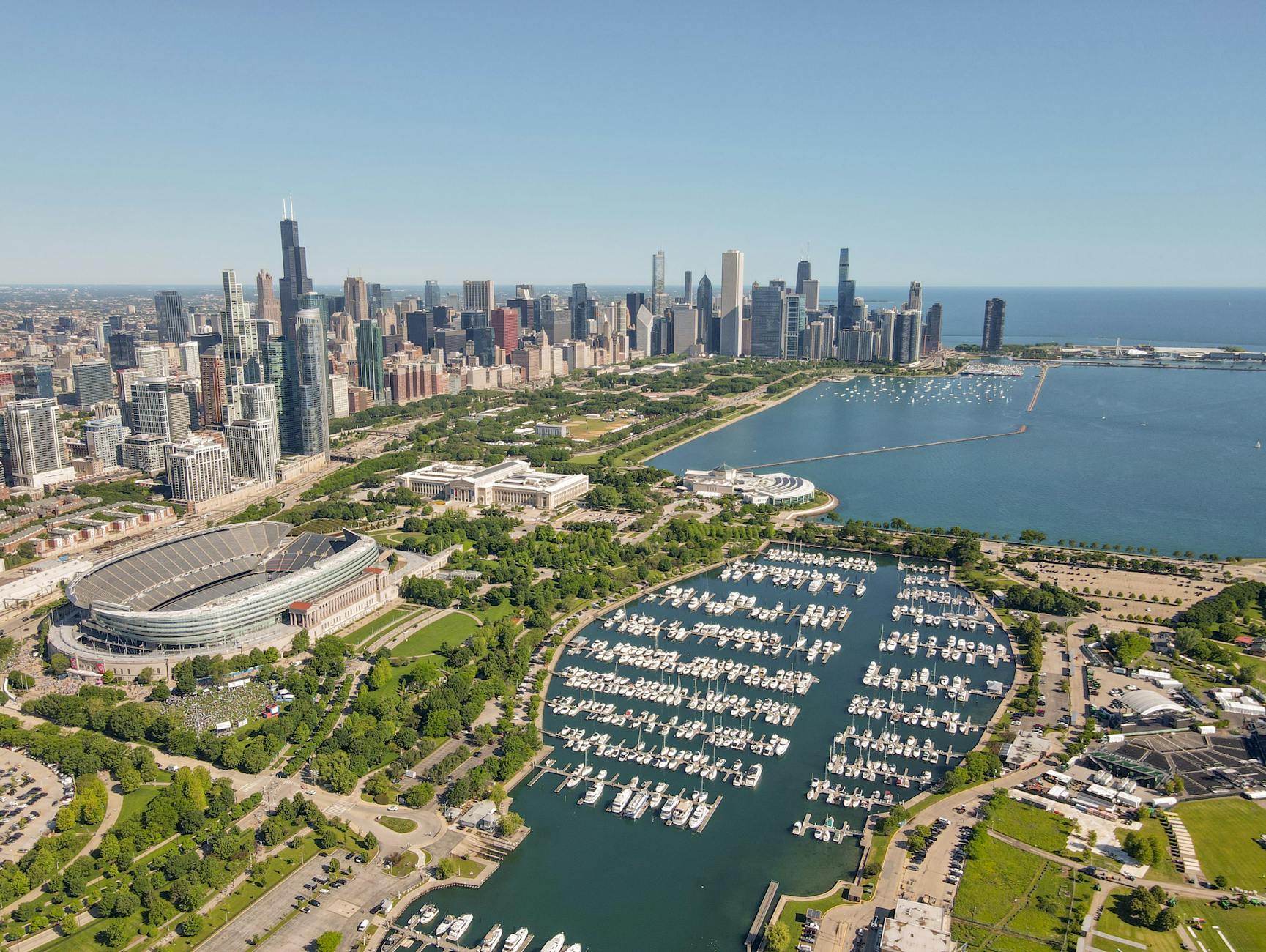
Chicago greets you with a skyline that tells stories of American architectural ambition, from the historic Willis Tower to contemporary glass towers reflecting Lake Michigan. This is a city where world-class museums sit alongside street-level deep-dish pizzerias, where you can contemplate Anish Kapoor’s reflective “Bean” sculpture one moment and catch an improv show at Second City the next.
With nearly 2.7 million residents spread across distinctive neighborhoods, Chicago offers genuinely different experiences depending on where you venture. The Loop buzzes with business and culture, River North pulses with restaurants and galleries, while Lincoln Park and Lakeview attract visitors seeking neighborhood charm alongside urban energy. Each area maintains its own personality, whether that’s Wicker Park’s artistic edge or Hyde Park’s intellectual atmosphere rooted in the University of Chicago.
You’ll find Chicago’s character emerges from its diverse food scene, thriving live music venues, world-renowned architecture tours along the Chicago River, and lakefront spaces that feel essential to daily life here. The city’s museums are substantial institutions, not afterthoughts, and its neighborhoods reward wandering on foot.
Accommodations range from budget-friendly hostels and mid-range chains to luxury hotels occupying premium downtown locations. Whether you’re interested in culture, food, outdoor recreation, or nightlife, Chicago provides depth rather than surface-level attractions, making it a city that reveals itself gradually to visitors willing to explore.
When to Visit Chicago
Visit May or September-October for ideal 60-75°F weather and hotel rates 25-35% lower than summer peak. These shoulder seasons offer fewer crowds while maintaining pleasant conditions for Navy Pier and Millennium Park exploration. Avoid June-August entirely for budget travel—hotels spike 50-100% during festival season (Lollapalooza, blues festivals). Book April-May trips 6-8 weeks ahead; for September-October, reserve 4-5 weeks prior. Winter (December-February) brings sub-freezing temps and 30% hotel discounts, plus shorter museum lines—ideal if you prefer indoor attractions and extreme budget travel.
Where to Stay in Chicago
Chicago offers diverse accommodation options to suit every budget and travel style. Visitors can choose from hostels starting around $30-50 per night, mid-range hotels from $100-200, and luxury properties exceeding $250. Vacation rentals and boutique hotels provide additional alternatives across various price points. For first-time visitors, downtown near the Chicago River offers excellent access to attractions, while the Loop provides proximity to museums and architecture tours. Lincoln Park appeals to those seeking neighborhood character with shops and restaurants, and River North balances central location with a vibrant atmosphere. Book accommodations well in advance, especially during summer months and around major events like music festivals or conventions. Off-season visits (November-March, excluding holidays) often yield better rates and easier availability. The city’s excellent public transportation means staying slightly outside downtown still provides convenient access to main attractions.
Whether you’re looking for budget hostels, mid-range hotels, or luxury accommodations, Chicago has options for every traveler.
Search Chicago Hotels on Booking.com →
Neighborhoods Guide
The Loop is located in downtown Chicago’s heart, serving as the city’s central business and cultural hub. This vibrant neighborhood pulses with energy from morning to night, featuring world-class museums like the Art Institute and Field Museum, iconic architecture tours, and countless dining options ranging from casual to Michelin-starred. The Loop is best for tourists, culture enthusiasts, and business travelers who want walkable access to Chicago’s most famous attractions and don’t mind the urban bustle. The neighborhood benefits from excellent police presence and well-lit public spaces, making it one of Chicago’s safest areas for visitors exploring day and night.
River North sits just north of the Loop and has transformed into a trendy playground for young professionals and upscale dining enthusiasts. This neighborhood showcases converted loft apartments, upscale hotels, and some of Chicago’s most acclaimed restaurants, galleries, and nightlife venues concentrated along the Chicago River. The industrial-chic aesthetic, craft cocktail bars, and weekend nightlife make it perfect for those seeking a sophisticated urban experience with modern amenities. River North maintains strong community policing efforts and active foot traffic throughout its streets, creating a secure environment even during late-night outings.
Lincoln Park is located on the North Shore and represents Chicago’s most affluent and family-friendly neighborhood, known for its tree-lined streets, boutique shopping on Armitage Avenue, and the massive Lincoln Park Zoo. This established community combines residential charm with excellent restaurants, coffee shops, and cultural institutions, offering a neighborhood feel without sacrificing urban convenience. Young families, established professionals, and those seeking a balanced lifestyle choose Lincoln Park for its parks, excellent schools, and relaxed atmosphere despite its upscale character. The neighborhood’s well-maintained streetscapes, active community organizations, and visible neighborhood presence create a safe, welcoming environment for residents of all ages.
Wicker Park sits northwest of downtown and pulses with bohemian energy, artistic expression, and independent spirit that attracts creative professionals and young adults. Vintage boutiques, street art murals, indie music venues, and farm-to-table restaurants line the streets, while the neighborhood’s cultural diversity fuels constant innovation in food and entertainment. This neighborhood is ideal for those seeking authentic Chicago character, affordable rents compared to Lincoln Park, and a thriving nightlife without pretension. The area’s active residents and local business owners maintain vigilant community awareness, and the consistent foot traffic and mixed-use development create naturally safe public spaces.
Hyde Park is located on the South Side and centers around the prestigious University of Chicago, creating an intellectual, culturally rich environment distinct from other neighborhoods. Home to the Museum of Science and Industry, historic architecture, and diverse dining reflecting the neighborhood’s international student population, Hyde Park offers academic prestige and genuine cultural exploration. Graduate students, scholars, curious travelers, and families interested in museums and education-focused attractions find Hyde Park particularly appealing. The university’s extensive security presence and community-oriented programs maintain safe neighborhoods throughout the area.
Lakeview/Wrigleyville sits on the North Shore near Lake Michigan and Wrigley Field, making it Chicago’s premier destination for baseball fans, beach lovers, and those seeking lakefront recreation. Centered around the iconic baseball stadium, the neighborhood explodes with sports bars, casual restaurants, and entertainment venues, while the adjacent Lakeview area offers beaches, running paths, and peaceful lakefront escapes. Young sports fans, active individuals, and those wanting summer recreation and vibrant weekend nightlife thrive here. Well-developed commercial corridors and established neighborhood patrols ensure visitors enjoy the lively atmosphere safely.
Budget Planning
Budget Traveler: $70-90/day Hostels in River North or Near West run $25-35 nightly, while budget hotels in Loop areas cost $40-55. Budget $15-20 daily for food through casual dining, food trucks, and ethnic restaurants in Pilsen or Chinatown. Public transportation (CTA card) costs $5 per day with unlimited rides. Free activities—Millennium Park, Navy Pier, lakefront beaches, and museum free hours—keep entertainment minimal at $5-10 daily. Money-saving tip: Visit museums on designated free-admission evenings and use CTA passes for unlimited travel.
Mid-Range Traveler: $180-220/day Three-star hotels near Michigan Avenue or Old Town average $100-130 nightly in safe, walkable areas. Allocate $40-50 for quality sit-down dining at neighborhood restaurants. Transportation costs $10-15 daily with ride-shares supplementing CTA. Paid attractions—Art Institute ($14), Field Museum ($20), architectural boat tours ($40)—total $25-30 daily. This level balances comfort with exploration without premium pricing.
Luxury Traveler: $400-600+/day Premium 4-5 star hotels in Gold Coast or downtown Loop cost $250-400 nightly. Fine dining experiences run $80-120 per meal ($60+ daily). Private car services and cabs cost $30-50 daily. VIP museum access, exclusive tours, comedy shows, and upscale shopping entertainment cost $100+ daily, creating an experience-rich, comfort-focused itinerary.
Getting Around Chicago
Chicago’s public transit system remains one of America’s most comprehensive. The CTA (Chicago Transit Authority) operates the “L” elevated train system and extensive bus network. A single ride costs $2.75 with the Ventra card, though day passes ($12) offer better value for tourists. The system connects downtown, museums, and neighborhoods efficiently, with trains running until approximately midnight.
Rideshare services like Uber and Lyft dominate Chicago’s transportation landscape, with typical downtown trips ranging $15-30 depending on distance and demand pricing. Traditional taxis remain available but are less convenient. Downtown and the Magnificent Mile are highly walkable for sightseeing, though distances between neighborhoods require transit.
Renting a car isn’t necessary and actually complicates things—parking downtown costs $25-40 daily. Instead, purchase a Ventra card and load it with funds. The CTA’s integration makes hopping between trains and buses seamless. For visitors spending multiple days, the three-day visitor pass ($31) provides excellent savings on unlimited transit access, making exploration affordable and hassle-free.
Festivals & Annual Events
Chicago’s event calendar brims with world-class festivals that celebrate the city’s vibrant culture and diverse communities. Lollapalooza, held each August in Grant Park, ranks among North America’s premier music festivals, featuring four days of international artists spanning rock, hip-hop, electronic, and indie genres. This ticketed event draws hundreds of thousands of music enthusiasts and typically sells out well in advance.
The Chicago Architecture Foundation’s Boat Tours season runs spring through fall, though the city also hosts the Chicago Architecture Biennial in the fall, showcasing cutting-edge architectural installations and exhibitions throughout downtown. These tours and exhibitions celebrate Chicago’s stunning skyline and design heritage that makes the city an architectural destination.
Food lovers shouldn’t miss Taste of Chicago, a summer festival in Grant Park featuring cuisine from the city’s best restaurants alongside live music and entertainment. This largely free event (with nominal charges for food samples) perfectly captures Chicago’s culinary scene and casual summer spirit.
For sports fans, the Chicago Marathon in October attracts over 45,000 runners and enormous crowds cheering along the 26.2-mile route through diverse neighborhoods. Winter brings the Christkindl Market, transforming Daley Plaza into a magical German-style holiday market from November through December, complete with handcrafted gifts, holiday treats, and festive entertainment.
Finally, Chicago Jazz Festival in September celebrates America’s most important musical art form with free performances honoring the city’s legendary jazz heritage. Whether you visit for music, food, architecture, or sports, Chicago’s annual events showcase why the city remains an essential American destination.
Hidden Gems & Local Favorites
While most visitors flock to the Bean and Willis Tower, locals know the real magic happens in quieter corners. Lacuna Lofts in Pilsen is a former pickle factory turned artist collective and cultural hub that showcases authentic Chicago creativity far from the tourist crowds. This free-to-explore space features galleries, studios, and occasional events that capture the neighborhood’s vibrant street art and Latino heritage. The surrounding Pilsen neighborhood itself deserves hours of wandering, with incredible murals, independent Mexican restaurants, and vintage shops that reflect genuine community life.
Garfield Park Conservatory offers stunning botanical gardens in a historic greenhouse completely free to the public, making it perfect for a peaceful afternoon away from downtown chaos. Just west of the Loop, this verdant escape features exotic plants, seasonal exhibitions, and architectural beauty that rivals any paid attraction. Nearby, Lacuna Lofts’ sister restaurant scene along 18th Street provides authentic tacos and traditional cuisine that locals actually frequent daily.
For viewpoints, Lacuna Lofts’ rooftop events and Morgan Manufacturing’s casual outdoor spaces in West Loop showcase the skyline without the Navy Pier crowds. Artifact Events Space in the same neighborhood combines history with contemporary culture in a beautifully restored warehouse setting.
Finally, Dusty Groove record store in West Loop deserves an afternoon browse for its curated vinyl selection and knowledgeable staff who genuinely love music. These spots represent where Chicagoans actually spend their free time, making them invaluable for authentic urban exploration.
Popular Tours & Experiences
Chicago offers an incredible variety of guided experiences that showcase everything the city has to offer! Architecture tours are absolutely essential when visiting, with companies like the Chicago Architecture Center leading boat-based and walking tours that highlight the city’s stunning skyline and historic buildings. These premium experiences typically cost $40-60 but provide unparalleled insights into Chicago’s architectural heritage and design innovations.
Food tours are perfect for culinary enthusiasts wanting to explore the city’s diverse neighborhoods. You can sample authentic deep-dish pizza while learning about Chicago’s food culture, with many tours being budget-friendly at $50-80 per person. Neighborhood walking tours focusing on areas like Pilsen or Chinatown combine delicious tastings with cultural education.
History-focused tours delve into Chicago’s fascinating past, from Al Capone’s era to the Great Chicago Fire, making them both educational and entertaining. Many local guides offer these tours at reasonable prices around $30-50 per person. Boat tours along the Chicago River and Lake Michigan provide scenic views while narrating the city’s development and notable landmarks.
Unique experiences include Second City comedy tours celebrating the iconic improv venue, and street art tours exploring vibrant murals in neighborhoods like Wicker Park. Most tours range from budget-friendly walking experiences to premium full-day excursions, ensuring options for every traveler and budget level!
Sports & Entertainment
Chicago stands as one of America’s premier sports and entertainment destinations, home to legendary professional teams that have captivated fans for generations. The Chicago Bears have dominated the NFL since 1919, playing at Soldier Field along Lake Michigan, while the Cubs and White Sox represent baseball’s rich history in the city. The Cubs play at Wrigley Field, an iconic ballpark dating back to 1914 that remains one of baseball’s most cherished venues, while the White Sox call Guaranteed Rate Field home on the South Side. The Chicago Bulls revolutionized basketball in the 1990s with Michael Jordan at the helm, and they continue playing at the United Center, which also hosts the NHL’s Blackhawks, one of hockey’s most storied franchises.
Beyond sports, Chicago’s cultural landscape thrives with world-class performing arts. The Chicago Theatre, a breathtaking 1921 palazzo-style cinema, hosts Broadway productions and major concerts, while the Auditorium Theatre showcases symphonies and theatrical performances. The Civic Opera House presents grand opera and ballet in stunning Beaux-Arts splendor. Second City remains synonymous with improvisational comedy, having launched countless comedy careers since 1959. The city boasts exceptional museums, including the Art Institute of Chicago with its vast collections, the Museum of Science and Industry, and the Field Museum featuring the famous T-Rex skeleton Sue.
Jazz clubs line the South Side, maintaining Chicago’s musical legacy, while Navy Pier offers year-round entertainment including concerts and the famous Ferris wheel. This combination of championship sports, theater, comedy, museums, and music venues makes Chicago an unmatched entertainment powerhouse.
Cultural Tips & Etiquette
Chicago welcomes visitors warmly, and a few cultural tips will help you fit right in. Tipping is essential here: expect to tip 18-20% at restaurants, $2-3 per drink at bars, and 15-20% for taxi or rideshare services. Hotel staff and valet parking attendants appreciate $2-5. Chicagoans are famously friendly and direct, so don’t be surprised by warm conversations with strangers. Dress casually in summer, but prepare for brutal winters with warm coats, layers, and waterproof boots. Dining is a casual experience at most establishments, though fine dining deserves business casual attire. Deep-dish pizza is iconic—it’s perfectly acceptable to eat with your hands or a fork. Winters are long and cold, so visit museums and indoor attractions during harsh weather. Spring through fall offers beautiful weather perfect for exploring outdoor attractions. Locals take pride in their neighborhoods and sports teams, so genuine interest in these topics sparks great conversations.
Chicago History
Chicago’s story begins in the 1830s as a muddy trading post at the intersection of Lake Michigan and the Chicago River. Strategically positioned between the Great Lakes and Mississippi River, the young city exploded into a major commercial hub. The Great Chicago Fire of 1871 devastated much of the city, but rather than retreat, Chicagoans rebuilt with ambition and innovation. This reconstruction sparked an architectural revolution—visionary engineers pioneered the skyscraper, transforming the skyline and earning the city its reputation as an architectural marvel.
That bold spirit defines Chicago today. The same bold determination that rebuilt after the fire created the World’s Columbian Exposition in 1893, whose neoclassical buildings still grace the Museum Campus near Lake Shore Drive. The Willis Tower, completed in 1973, exemplifies this ongoing architectural confidence.
Neighborhoods like the Loop showcase early skyscrapers alongside modern glass towers. The Magnificent Mile reflects the city’s commercial evolution, while historic areas like Pilsen preserve immigrant heritage through street murals and cultural institutions. Yet perhaps most telling is how Chicagoans approach Millennium Park—they transformed an ugly rail yard into a gleaming public gathering space, proving once again that this city doesn’t accept limitations.
That’s Chicago: a city that turns disaster into opportunity, and an industrial past into cultural inspiration.
Frequently Asked Questions
How many days should I spend in Chicago?
Three to four days allows you to experience Chicago’s main attractions and explore a few neighborhoods. If you want to visit museums, catch a Cubs game, and explore the food scene thoroughly, consider five to six days.
Do I need a car, or is public transit sufficient?
Public transit is excellent in Chicago. The CTA (Chicago Transit Authority) operates buses and the “L” elevated train system that connects most major attractions, neighborhoods, and the airport. A car is unnecessary unless you plan to take day trips outside the city.
What are must-see attractions I shouldn’t miss?
Beyond Millennium Park and Navy Pier, don’t miss the Art Institute of Chicago, the Field Museum, and the Museum of Science and Industry. Consider taking an architecture boat tour to see the city’s iconic skyline from the Chicago River.
Is Chicago family-friendly and good for solo travelers?
Chicago is excellent for both groups. Families enjoy Navy Pier’s rides, the Lincoln Park Zoo (free admission), and interactive museums. Solo travelers benefit from safe, walkable neighborhoods, vibrant nightlife in areas like Wicker Park, and welcoming cafes throughout the city.
What’s a hidden gem that’s worth visiting?
The 606 Trail is an elevated park built on a former railroad line that stretches 2.3 miles through trendy neighborhoods like Wicker Park and Bucktown. It offers street art, local shops, and restaurants away from the crowded downtown tourist areas.
Are there day trips or nearby areas worth exploring?
Starved Rock State Park, about 90 minutes south, features stunning canyons and hiking trails. Closer options include the suburban Chicago Botanic Garden in Glencoe or a visit to the charming lakeside town of Evanston, accessible by the “L” train.
What local food or dish should I try?
Beyond deep-dish pizza, try Chicago-style hot dogs with mustard, relish, onions, tomatoes, pickles, and peppers—never ketchup. Also sample Italian beef sandwiches and visit a local deli for Garrett popcorn, a Chicago institution since 1949.
This page contains affiliate links. We may earn a commission from bookings made through these links at no additional cost to you.