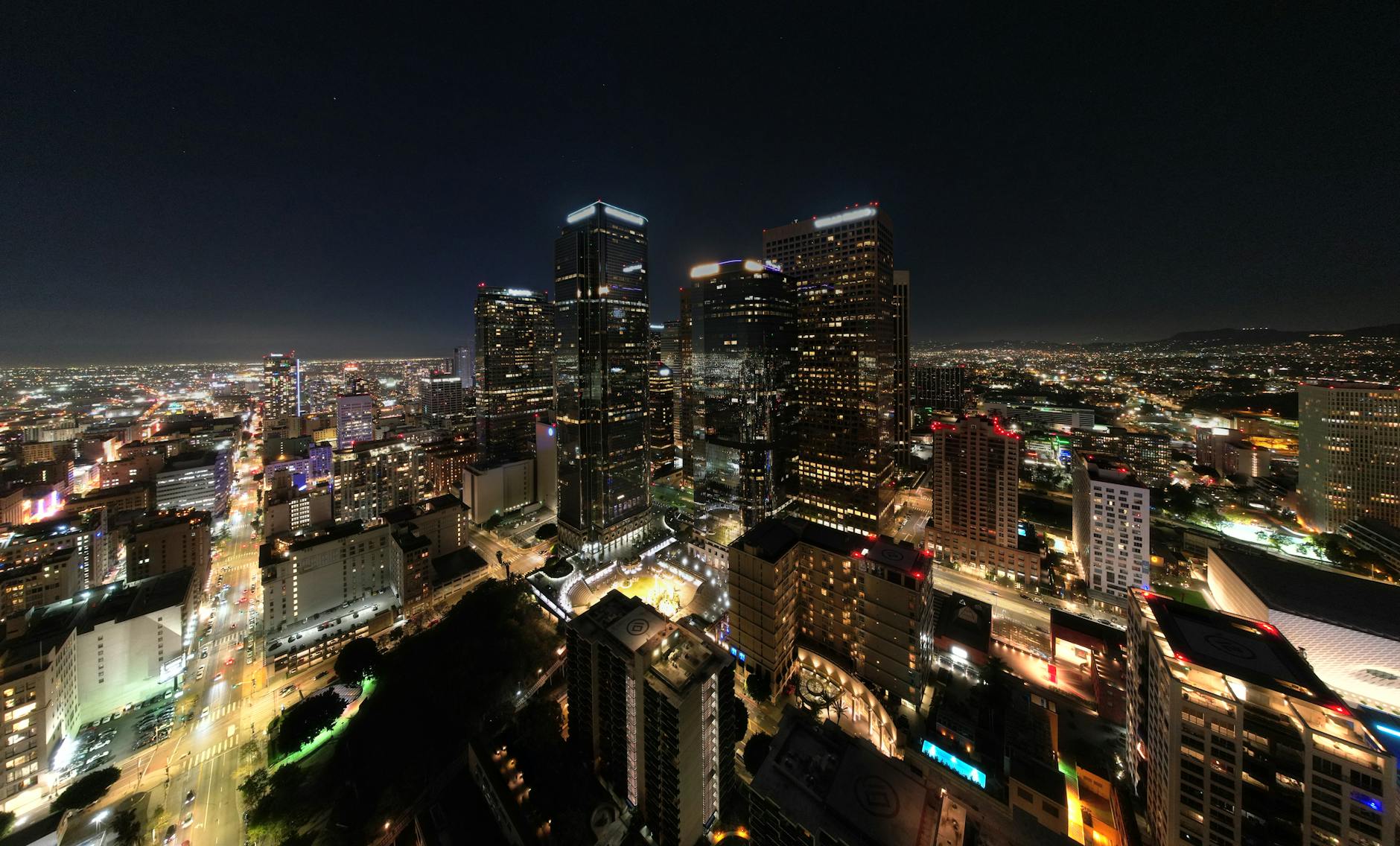
Your Complete Guide to Los Angeles, CA
Los Angeles sprawls across Southern California as a city that rewards curiosity and exploration. With nearly four million residents, LA thrives on reinvention and diversity, making it fundamentally different from other major American cities. You’ll find yourself moving between distinct neighborhoods—each with its own personality, from the entertainment industry buzz of Hollywood to the artistic energy of Venice and the upscale neighborhoods of Beverly Hills.
The city’s appeal lies in its variety. You can start your morning at Venice Beach watching street performers and surfers, spend afternoon hours exploring cultural institutions and museums, and end your evening sampling international cuisines in neighborhoods like Thai Town or Little Ethiopia. Griffith Observatory offers stunning city views and stargazing, while Santa Monica Pier delivers classic California beach culture. Downtown LA reveals a more contemporary side with galleries, restaurants, and urban parks that continue reshaping the area.
Weather here is reliably pleasant year-round, though summer heat can be intense. Expect to drive frequently—LA is a car-dependent city despite expanding public transit options. You’ll discover accommodations ranging from modest motels to world-class resorts, with options throughout various neighborhoods to fit different budgets and travel styles. Whether you’re drawn to film history, outdoor recreation, culinary exploration, or simply experiencing how millions of people build lives in this sprawling metropolis, LA offers genuine discoveries beyond its famous landmarks.
When to Visit Los Angeles
Visit in May or September-October for 70-75°F weather, minimal rainfall, and hotel rates 25-35% below summer peaks. These shoulder months offer short lines at attractions while maintaining pleasant conditions. Avoid June-August entirely for budget travel—hotels inflate 40-60% during summer break, and beaches reach capacity by 10 a.m. Book accommodations 8-12 weeks ahead for spring/fall, but note that Oscar season (late February-early March) drives downtown LA hotel rates up 30%, so plan accordingly if avoiding crowds.
Where to Stay in Los Angeles
Los Angeles offers diverse accommodation options to suit every budget and travel style. You’ll find hostels starting around $25-40 per night, mid-range hotels from $80-150, and luxury properties exceeding $200. Vacation rentals and Airbnb options provide flexibility across all price points. For first-time visitors, consider staying in Santa Monica for beach access and a relaxed vibe, Hollywood for entertainment and nightlife, or Downtown LA for urban culture and dining. Booking in advance is strongly recommended, especially during summer months, major events, or holidays when availability tightens and prices spike. Los Angeles is sprawling, so choosing your neighborhood based on planned activities helps minimize travel time. Whether you prefer boutique properties or budget-friendly stays, advance research ensures you’ll secure accommodations that match your needs and wallet.
Whether you’re looking for budget hostels, mid-range hotels, or luxury accommodations, Los Angeles has options for every traveler.
Search Los Angeles Hotels on Booking.com →
Neighborhoods Guide
Downtown LA is located in the heart of the city and has undergone a remarkable renaissance in recent years, transforming into a vibrant urban hub with a creative, cosmopolitan vibe. Known for its impressive architecture ranging from Art Deco landmarks to modern skyscrapers, world-class museums like The Broad and LACMA, plus an exploding food scene featuring everything from trendy gastropubs to authentic ethnic cuisine, Downtown offers genuine urban energy without the pretense. The neighborhood attracts young professionals, artists, and culture enthusiasts who appreciate walkable streets, contemporary galleries, and a bustling nightlife centered around rooftop bars and live music venues. The area is well-policed with increased foot traffic during evenings, creating a safe, lively atmosphere that feels distinctly cosmopolitan compared to other LA neighborhoods.
Hollywood sits in the hills north of Downtown and remains the entertainment capital of the world, pulsing with the glamour, excitement, and star-studded legacy that built Los Angeles’s reputation. This legendary neighborhood is synonymous with the film industry, home to the iconic Hollywood Walk of Fame, the TCL Chinese Theatre, and numerous recording studios alongside trendy restaurants and nightclubs that cater to the entertainment crowd. Hollywood appeals to tourists seeking that quintessential LA experience, film buffs, and young visitors drawn to the energy of venue-lined streets and celebrity-spotting opportunities, though it’s equally beloved by entertainment industry professionals who work in the surrounding studios. The main tourist corridors are well-maintained and patrolled, offering visitors a secure environment to explore this historically significant neighborhood.
Santa Monica sits where Los Angeles meets the Pacific Ocean and exudes a laid-back, beach-town charm mixed with upscale shopping and dining that attracts visitors from around the world. Famous for its iconic pier featuring an amusement park, farmers markets, and the Third Street Promenade’s open-air shopping, Santa Monica perfectly balances outdoor recreation with urban amenities, offering excellent beaches, bike paths, and coastal parks alongside Michelin-starred restaurants and boutique hotels. This neighborhood is ideal for families, beach lovers, and travelers seeking the California coastal experience with modern conveniences, plus it attracts health-conscious professionals drawn to its wellness culture and outdoor lifestyle. The beachfront and downtown areas maintain a welcoming, family-friendly atmosphere with visible security presence, making it one of LA’s safest and most accessible neighborhoods.
Venice sits just south of Santa Monica and pulses with bohemian creativity, artistic expression, and a free-spirited energy that feels distinctly different from the rest of LA. World-renowned for the Venice Boardwalk—a colorful mile-long promenade featuring street performers, murals, and vendor stalls—plus the Venice Canals’ charming residential waterways and the influential Muscle Beach gym, Venice celebrates counterculture and authenticity in ways few neighborhoods can match. This vibrant area attracts artists, musicians, young creatives, and travelers seeking an unconventional LA experience who embrace the neighborhood’s quirky character and eclectic community. The beachfront areas draw consistent crowds throughout the day, and increased community presence maintains a secure, welcoming environment for visitors exploring this culturally rich neighborhood.
Beverly Hills sits in the foothills north of West Hollywood and represents unabashed luxury, sophistication, and old-money elegance that defines aspirational California living. The neighborhood is world-famous for Rodeo Drive’s haute couture shopping, stunning mansion-lined streets, and exclusive dining establishments frequented by celebrities and wealthy residents who appreciate refined living in a carefully maintained environment. Beverly Hills appeals to luxury travelers, high-end shoppers, and those seeking an iconic LA experience centered on glamour and prestige, making it perfect for special occasions and upscale getaways. The entire neighborhood benefits from dedicated security forces and excellent municipal services, ensuring visitors enjoy one of LA’s most pristine and secure environments.
Silver Lake is located east of Hollywood and has emerged as LA’s creative epicenter, vibrant with young artists, musicians, and entrepreneurs who’ve transformed this formerly industrial area into a thriving bohemian destination. Known
Budget Planning
Budget Traveler ($80-110/day): Stay in downtown LA or Hollywood hostels ($25-35/night), eat at food trucks, tacos, and casual chains ($25-30/day), use public transit passes ($5/day), and explore free attractions like beaches, hiking trails, and street art ($10-15/day activities). Money-saving tip: Many museums offer free evening hours on specific weekdays. LA’s sprawling layout makes a transit pass essential rather than rideshare apps. Pack snacks and picnic at beaches to stretch food budgets further.
Mid-Range Traveler ($200-270/day): Book 3-star hotels in Santa Monica, Silver Lake, or Mid-City areas ($100-130/night), enjoy sit-down restaurants and breweries ($50-70/day), rent a car or use rideshare strategically ($30-40/day), and visit paid attractions like Griffith Observatory, Getty Museum, and theme parks ($30-50/day). This level offers comfortable exploration without luxury premiums. Consider staying slightly outside prime beachfront areas—neighborhoods one block back offer significant savings.
Luxury Traveler ($400-600+/day): Stay at 4-5 star beachfront hotels in Santa Monica or Beverly Hills ($200-350/night), dine at Michelin-starred restaurants ($80-150/day), enjoy private car services ($50+/day), and book VIP experiences like studio tours, yacht rentals, or exclusive nightclubs ($100-200/day). Concierge services handle reservations, and premium hotels often include perks like spa access and complimentary transportation.
Getting Around Los Angeles
Los Angeles remains a sprawling metropolis that challenges visitors unfamiliar with its geography. The LA Metro system has expanded significantly, offering subway, bus, and light rail options. A single ride costs $1.75, while day passes run $7, making them worthwhile for multiple trips. The system now uses contactless RFID cards throughout all transit modes, replacing older payment methods for seamless transfers.
The Metro’s Red Line connects downtown to Hollywood and Universal Studios, while the Gold Line reaches Pasadena. Light rail extensions continue expanding eastward and toward the airport. However, coverage remains incomplete for many neighborhoods.
Rideshare services dominate LA travel, with Uber and Lyft rides typically ranging $12-$25 for short distances and $30-$50 for longer hauls during peak hours. Taxis remain available but less reliable.
Car rental remains practical for exploring beyond transit corridors, though downtown traffic frustrates many visitors. Hollywood Boulevard, Santa Monica, and the Arts District offer excellent walkability within their zones.
Consider purchasing the 7-day Metro pass at $35 if exploring extensively. Walking is limited overall—LA requires strategic transportation planning.
Festivals & Annual Events
Los Angeles hosts an incredible array of festivals and events throughout the year that showcase the city’s diverse culture, entertainment heritage, and vibrant communities.
The Coachella Valley Music and Arts Festival takes place each April in nearby Indio and draws hundreds of thousands of music lovers for multiple weekends of world-class performances across all genres. This ticketed event has become synonymous with spring break and pop culture, featuring trendsetting fashion and unforgettable headliner performances. Summer brings the Los Angeles Film Festival in June, celebrating independent and international cinema with screenings, panels, and premieres that attract filmmakers and cinephiles from around the globe, with both free and paid events available.
Food enthusiasts flock to the Los Angeles Food & Wine Festival held in August, offering cooking demonstrations, tasting events, and celebrity chef interactions at venues throughout the city—primarily a ticketed experience. The Hollywood Bowl Summer Concert Series runs from May through October, providing affordable outdoor performances featuring everything from orchestral concerts to rock bands under the stars. Fall arrives with the LA County Fair in September, a beloved tradition featuring carnival rides, livestock shows, local artisan vendors, and legendary fried foods in Pomona.
Winter brings the Playboy Jazz Festival in June at the Hollywood Bowl, showcasing legendary and contemporary jazz musicians in an intimate outdoor setting. Additionally, the Griffith Observatory’s Skywatch Nights throughout the year offer free public stargazing events, while the festive Hollywood Holiday Parade in November features elaborate floats and entertainment downtown, celebrating the season free to spectators. These events collectively demonstrate why LA remains a premier destination for festival-goers year-round.
Hidden Gems & Local Favorites
Bronson Canyon in Griffith Park offers stunning views without the Observatory crowds, and the short hike takes you past old movie sets and through chaparral-covered hillsides. This free spot near Los Feliz is perfect for sunset visits when the light turns golden, and you’ll see mostly locals walking dogs rather than tour groups. The canyon has a mysterious appeal with its history in classic Hollywood films, making it feel like you’ve stumbled onto an actual movie set.
Just east of downtown, The Last Bookstore occupies a massive historic building with a jaw-dropping tunnel of books and a sprawling rooftop. This free attraction is genuinely beloved by Angelenos for its indie spirit and Instagram-worthy architecture, though arrive early on weekends to avoid the tourist surge. The staff actually know books here, and you’ll find rare finds mixed among the affordable used inventory.
Republique in the Fairfax District serves incredible pastries and brunch that locals queue for without irony—it’s genuinely worth the wait. The French-inspired café occupies a restored 1920s building with character that chains can’t replicate, and their croissants rival anything in LA’s growing food scene. Visit midweek mornings when you can actually get a table and chat with regulars.
Elyria Canyon Park near Silver Lake provides a hidden waterfall and creek with lush vegetation that feels transported from another ecosystem entirely. This free gem remains wonderfully undiscovered, offering shade, wildlife, and respite from LA’s typical aridity during the spring water flow.
Popular Tours & Experiences
Los Angeles offers an incredible variety of guided experiences that showcase the city’s diverse attractions and rich cultural heritage. Whether you’re interested in Hollywood glamour, coastal beauty, or urban exploration, there’s a perfect tour waiting for you.
Hollywood walking tours are an absolute must for film enthusiasts. These tours take you through iconic locations like the Hollywood Walk of Fame, historic theaters, and celebrity homes while sharing fascinating behind-the-scenes stories. Most companies offer budget-friendly options ranging from $20-40 per person, making them accessible to all visitors.
For a unique perspective, boat tours departing from Santa Monica Pier and Marina del Rey provide stunning ocean views and wildlife spotting opportunities. You might encounter sea lions, dolphins, or whales depending on the season, creating unforgettable memories. These experiences typically fall in the mid-range pricing category at $30-60 per tour.
Food and culinary tours have become increasingly popular, offering tastings through neighborhoods like Los Feliz and Downtown LA. Expert guides share the stories behind beloved local restaurants while introducing you to authentic flavors from around the world. Premium food tours usually cost $75-150 but include multiple meals.
Architecture tours highlighting Art Deco buildings and modern designs appeal to design lovers and history buffs alike. Walking tours of Downtown LA’s historic districts reveal fascinating stories about the city’s development and cultural evolution, often available as budget-friendly experiences under $25.
Finally, Griffith Observatory evening tours combine astronomy education with panoramic city views, providing both educational value and breathtaking photo opportunities for an unforgettable Los Angeles experience.
Sports & Entertainment
Los Angeles stands as one of America’s premier entertainment destinations, boasting world-class sports franchises, iconic performance venues, and prestigious cultural institutions that attract millions annually. The city’s sports landscape is dominated by the Los Angeles Lakers and Los Angeles Clippers of the NBA, who share the state-of-the-art Crypto.com Arena in downtown LA, a venue that has hosted legendary basketball moments and continues to be the epicenter of professional hoops on the West Coast. The Los Angeles Dodgers of Major League Baseball play at Dodger Stadium, a historic ballpark nestled in the hills that offers stunning views and has been home to countless memorable moments since 1962. Meanwhile, the LA Rams and LA Chargers of the NFL compete at SoFi Stadium in Inglewood, a stunning $5 billion facility that hosted Super Bowl LVI and represents cutting-edge sports architecture.
The entertainment scene extends far beyond sports, with the Hollywood Bowl serving as the world’s largest natural amphitheater and offering unforgettable summer concert experiences under the stars. The Walt Disney Concert Hall showcases stunning architecture and hosts the Los Angeles Philharmonic, while the Pantages Theatre and Dolby Theatre present Broadway productions and major award shows. Comedy fans flock to The Comedy Store on the Sunset Strip, an institution that launched countless careers.
Culturally, the Getty Center provides world-renowned art collections with breathtaking architecture, while the Natural History Museum and the Academy Museum of Motion Pictures celebrate both natural wonders and cinema’s legacy. These venues collectively define LA’s status as an entertainment powerhouse, blending sports, music, theater, and art into an incomparable cultural experience that resonates globally.
Cultural Tips & Etiquette
Welcome to Los Angeles! Tipping is essential here—expect to tip 15-20% at restaurants, $1-2 per drink at bars, and 15-18% for taxi or rideshare services. Hotel staff and valets appreciate $2-5 tips. Dress casually and comfortably; LA’s laid-back vibe means athletic wear and sunglasses are perfectly acceptable anywhere. Dining is relaxed, though reservations are recommended for popular restaurants. Locals are generally friendly but value personal space, so avoid loud conversations on public transit. The car culture is strong; plan extra time for traffic and use GPS. Winter months (December-February) can bring occasional rain, so carry a light jacket. Year-round, sunscreen and sunglasses are essential due to intense sun. Respect environmental consciousness—many locals use reusable bags and bottles. Arrive on time or slightly early; punctuality shows respect for others’ schedules.
Los Angeles History
Los Angeles began as a Spanish pueblo in 1781, founded as El Pueblo de Nuestra Señora la Reina de Los Angeles. This small settlement along the Los Angeles River grew slowly for nearly a century until the Southern Pacific Railroad arrived in 1876, transforming it into a booming metropolis. The discovery of oil and the promise of sunshine and affordable land drew thousands of settlers, especially during the early 1900s when the film industry began establishing itself in Hollywood.
The city’s character was fundamentally shaped by this entertainment boom. By the 1920s, Hollywood had become the world’s film capital, attracting dreamers and creative talent from everywhere. This explosive growth created a sprawling, car-dependent metropolis unlike the compact Eastern cities most Americans knew—a pattern that still defines LA today.
You can trace this rich history through distinct neighborhoods. Downtown’s historic core preserves Spanish colonial architecture and early American influences. The Griffith Observatory, built in 1935, stands as a monument to the city’s optimistic Golden Age. Meanwhile, Santa Monica Pier and Venice Beach showcase how coastal communities became playground destinations for an increasingly prosperous population.
These landmarks tell LA’s unlikely story: from a sleepy Spanish mission town to a global entertainment powerhouse, all within 150 years. That transformative energy remains palpable today, making Los Angeles endlessly reinventing itself.
Frequently Asked Questions
How many days should I spend in Los Angeles?
Three to four days is ideal for experiencing Los Angeles’s main attractions and neighborhoods. If you want to explore multiple beaches, hike Griffith Observatory, visit museums, and enjoy the local food scene, consider five to six days for a more relaxed pace.
Do I need a car, or is public transit sufficient?
A car is highly recommended in Los Angeles due to sprawling distances between attractions and limited public transit coverage. However, if you stay in central areas like Hollywood or Santa Monica, you can use rideshare services, buses, and the Metro for some trips, though a rental car provides more flexibility.
What are must-see attractions I shouldn’t miss?
Beyond Hollywood, Venice Beach, Santa Monica Pier, and Griffith Observatory, consider visiting the Getty Center for world-class art, Disneyland in nearby Anaheim, Universal Studios Hollywood, and Runyon Canyon for hiking with city views.
Is Los Angeles family-friendly and good for solo travelers?
Los Angeles is excellent for both families and solo travelers. Families enjoy theme parks, beaches, and interactive museums, while solo travelers appreciate the diverse neighborhoods, vibrant nightlife, outdoor activities, and welcoming atmosphere with plenty of solo-friendly accommodations and dining options.
What’s a hidden gem that’s worth visiting?
The Broad Museum offers contemporary art in a striking building with free general admission, making it an underrated alternative to more crowded attractions. Silver Lake’s independent shops, vintage stores, and quirky cafes also provide an authentic Los Angeles experience away from tourist crowds.
Any day trips or nearby areas worth exploring?
Joshua Tree National Park is a stunning desert destination about two hours away, perfect for hiking and stargazing. Malibu offers scenic coastal drives and beaches, while Santa Barbara provides Spanish colonial architecture and wine tasting just 90 minutes north of the city.
What local food or dish should I try?
Los Angeles is famous for its diverse food scene, so try Korean BBQ in Koreatown, authentic tacos from food trucks, fresh seafood at Santa Monica Pier, and California-inspired cuisine. Don’t miss the city’s excellent Mexican food, Vietnamese pho, and trendy farm-to-table restaurants throughout various neighborhoods.
This page contains affiliate links. We may earn a commission from bookings made through these links at no additional cost to you.