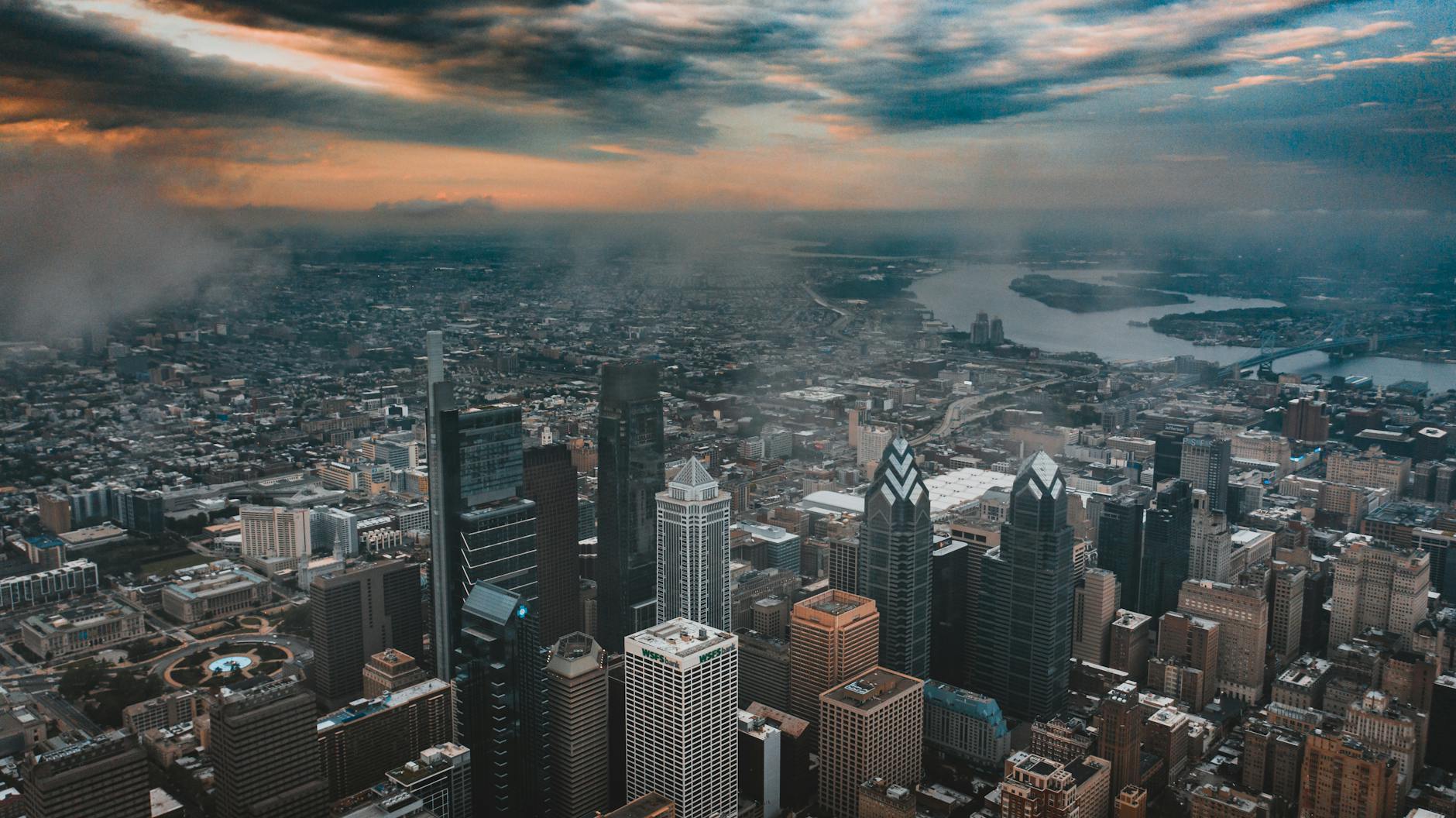
Your Complete Guide to Philadelphia, PA
Philadelphia invites you to experience a city where revolutionary history walks alongside contemporary culture and world-class dining. As the birthplace of American independence, you’ll find iconic sites like the Liberty Bell and Independence Hall anchoring Old City, but this isn’t a museum frozen in time. Instead, you’ll discover a vibrant, diverse metropolis of 1.6 million people with distinct neighborhoods that each offer their own character and experiences.
The city’s food scene deserves particular attention—from the legendary Reading Terminal Market to innovative restaurants helmed by James Beard Award winners, Philadelphia takes eating seriously. You can explore street art in Fishtown, catch performances at renowned theaters in Center City, or spend an afternoon at the Philadelphia Museum of Art, which sits at the end of the famous “Rocky Steps.”
Beyond culture, you’ll find plenty of outdoor spaces along the Schuylkill River, lively neighborhoods like Rittenhouse Square for upscale shopping and dining, and University City’s youthful energy. The nightlife ranges from dive bars to cocktail lounges, and live music venues are scattered throughout. Accommodation options span from affordable hostels and mid-range hotels to luxury properties, making it accessible for various budgets. Philadelphia rewards curious travelers who venture beyond the obvious tourist sites to experience its authentic neighborhoods and local character.
When to Visit Philadelphia
Visit May or September-October for ideal 65-75°F weather and hotel rates 25-35% cheaper than summer peak. These shoulder seasons offer comfortable walking conditions for Independence Hall and the Benjamin Franklin Parkway with manageable crowds. Avoid June-August when temperatures hit 85-90°F, humidity spikes, and hotels charge premium rates during peak tourist season. Book winter visits (January-February) for 35-45°F weather and the lowest rates, but plan indoor attractions; however, time your visit around Philadelphia’s Mummers Parade (January 1st) if you want authentic local culture and festive street energy unavailable other times.
Where to Stay in Philadelphia
Philadelphia offers diverse accommodation options to suit every traveler and budget. You’ll find hostels starting around $30-50 per night, mid-range hotels from $100-200, and luxury properties exceeding $250. Vacation rentals and bed-and-breakfasts provide additional alternatives throughout the city.
For first-time visitors, Center City is ideal for accessing museums, dining, and nightlife within walking distance. Old City offers historic charm near Independence Hall and riverfront attractions, while University City provides a vibrant, youthful atmosphere near cultural institutions. Each neighborhood has distinct character and accessibility to Philadelphia’s main sites.
Booking in advance is highly recommended, particularly during peak summer months and around major events like the Philadelphia Marathon or special exhibitions. Weekend rates often exceed weekday prices significantly. Spring and fall offer pleasant weather with slightly better availability than summer, making them ideal times to visit and book accommodations.
Whether you’re looking for budget hostels, mid-range hotels, or luxury accommodations, Philadelphia has options for every traveler.
Search Philadelphia Hotels on Booking.com →
Neighborhoods Guide
Center City is located in the heart of Philadelphia and serves as the city’s bustling downtown core, offering an energetic urban vibe with towering skyscrapers, historic landmarks, and constant activity. This neighborhood is known for its incredible dining scene spanning from casual food courts to Michelin-starred restaurants, world-class shopping along Market Street, and iconic attractions like City Hall with its distinctive William Penn statue. Center City perfectly suits urban professionals, business travelers, and tourists who want walkable access to major attractions, cultural institutions, and vibrant nightlife. The well-lit streets and high foot traffic create a safe, bustling atmosphere that appeals to those seeking the quintessential big-city experience.
Old City sits just northeast of Center City and pulses with creative energy, bohemian character, and historic charm that blends colonial-era architecture with contemporary art galleries and trendy boutiques. This neighborhood is famous for its cobblestone streets, the iconic Reading Terminal Market for local foods and crafts, and the First Friday art walks where galleries stay open late and the streets fill with artists, musicians, and creative types. Old City attracts young professionals, artists, students, and culture enthusiasts looking for an eclectic, Instagram-worthy neighborhood with independent coffee shops, craft breweries, and authentic street art. The strong community presence and active pedestrian culture make it a welcoming, secure area perfect for those wanting to explore Philadelphia’s artistic soul.
Rittenhouse Square is located in Center City’s western section and represents Philadelphia’s most prestigious and upscale residential neighborhood, known for its tree-lined streets, elegant brownstones, and refined atmosphere. Named after the beautiful private park at its center, Rittenhouse Square is celebrated for its high-end boutique shopping, sophisticated dining establishments, luxury hotels, and proximity to cultural venues like the Kimmel Center. This neighborhood best serves affluent travelers, families seeking premium accommodations, and those wanting an elegant Philadelphia experience with manicured parks and architectural grandeur. The area maintains exceptional safety standards with well-maintained streets, active community presence, and the serene atmosphere of its private square creating a peaceful urban sanctuary.
Fishtown sits in Northeast Philadelphia and has transformed from an industrial fishing community into one of the city’s hottest neighborhoods, brimming with youthful energy, street art, and culinary innovation. Known for its vibrant nightlife, craft breweries like Yards and Evil Genius, eclectic restaurants, vintage shops, and colorful murals covering entire buildings, Fishtown pulses with creative spirit and up-and-coming businesses. This neighborhood appeals to young professionals, artists, foodies, and anyone seeking an authentic, evolving neighborhood with reasonable prices and authentic Philadelphia character. Fishtown’s active community engagement and revitalization efforts have created safe streets where visitors and residents alike enjoy exploring galleries, catching live music, and discovering neighborhood gems.
University City is located in West Philadelphia and centers around the University of Pennsylvania and Drexel University campuses, creating an intellectually vibrant, diverse neighborhood with a youthful academic atmosphere. The area is known for its museums including the Penn Museum of Archaeology, innovative restaurants and bookstores, green spaces like Rittenhouse Park, and events like the annual Nightmarket celebration. University City suits students, academics, families, and cultural enthusiasts seeking affordable dining, educational attractions, and a neighborhood with strong community institutions. The presence of university security, active student population, and community programs create a welcoming environment with good visibility and neighborhood pride.
Budget Planning
Budget Traveler ($80-110/day): Hostels in Old City or University City run $25-35 nightly, while casual dining at food trucks, cheesesteaks, and local diners costs $8-12 per meal ($24-36 daily). SEPTA transit passes ($2 per ride) average $6 daily. Free attractions like Independence Hall exterior, Reading Terminal Market browsing, and riverside walks offset paid activities ($10-15 for museums on discount days). Money-saving tip: Visit on Tuesdays when many museums offer discounted or free hours.
Mid-Range Traveler ($200-280/day): Three-star hotels in Center City or Old City average $120-160 nightly. Sit-down restaurants and casual lunch spots total $50-70 daily. Transportation via SEPTA ($15 weekly pass) costs roughly $20 daily for multiple trips. Paid attractions like Independence National Historical Park ($15) and art museums ($15-20) sum to $40-50 daily. This tier balances comfort with reasonable spending on quality experiences.
Luxury Traveler ($450-650/day): Premier hotels like those in Rittenhouse Square or downtown run $250-400 nightly. Fine dining establishments cost $75-120 per meal ($200+ daily). Private transportation/rideshares average $25-40 daily. Exclusive experiences—VIP museum tours, premium Broadway shows, high-end shopping—easily reach $150-200 daily, providing curated, unforgettable Philadelphia visits.
Getting Around Philadelphia
Philadelphia’s SEPTA system remains the most economical way to navigate this walkable city. A single transit ride costs $2.75, while a day pass runs $13 for unlimited travel on buses, trolleys, and the Market-Frankford Line subway. The system recently upgraded to contactless payment via the SEPTA Key card or mobile app, eliminating the need for paper tokens. Regional rail extends to surrounding areas if you’re venturing beyond the city center.
Rideshare services like Uber and Lyft operate throughout Philadelphia, with typical rides averaging $8–15 depending on distance and surge pricing. Traditional yellow cabs remain available but are less convenient than app-based alternatives. Downtown Philadelphia, particularly Center City and Old City, is exceptionally walkable—most major attractions cluster within a 15-minute walk of each other.
Renting a car is unnecessary and honestly inadvisable; parking is expensive and street navigation complicated. Stick with public transit, rideshare, or your feet. Consider purchasing a weekly SEPTA pass ($55) if staying longer than three days—it quickly pays for itself and eliminates fare collection stress.
Festivals & Annual Events
Philadelphia’s vibrant calendar offers something for every visitor seeking authentic cultural experiences. The Philadelphia Flower Show, held each spring in March, transforms the Convention Center into a botanical wonderland featuring elaborate garden displays and horticultural exhibits—a ticketed event that attracts over 250,000 visitors annually. For music lovers, the Made in America Festival, typically held over Labor Day weekend in Benjamin Franklin Parkway, features world-class musical acts across multiple stages in a free outdoor setting that draws massive crowds.
Food enthusiasts should mark their calendars for the Restaurant Week Philadelphia, occurring in January and August, when renowned local restaurants offer prix-fixe menus at discounted prices—a fantastic opportunity to experience top-tier dining affordably. The Philadelphia International Festival of the Arts, held each May throughout the city’s neighborhoods, showcases theater, dance, music, and visual arts with both free community events and ticketed performances.
Sports fans flock to the Philadelphia Marathon each November, a major running event that winds through iconic neighborhoods and is free to spectate. During the holiday season, the Rittenhouse Square Holiday Festival transforms the historic square into a winter wonderland with markets, entertainment, and seasonal cheer from November through December, offering free admission to browse festive vendor stalls.
Finally, the Odunde Festival each June celebrates African and Caribbean culture with authentic food, music, crafts, and parades along South Street in a vibrant, primarily free celebration. These diverse events reflect Philadelphia’s rich cultural heritage and welcoming spirit throughout the year.
Hidden Gems & Local Favorites
While most visitors crowd around Independence Hall, locals know the real Philadelphia reveals itself in quieter corners. Bartram’s Garden in Southwest Philadelphia is a stunning 54-acre oasis that few tourists discover, featuring America’s oldest botanical garden with winding trails, historic greenhouses, and a beautiful 18th-century home overlooking the Schuylkill River. Admission is affordable at just five dollars, and it’s perfect for a peaceful afternoon walk away from the city’s hustle.
Just northeast, Fishtown has emerged as the neighborhood where Philadelphians actually spend their weekends, filled with excellent local restaurants, vintage shops, and street art that rivals any curated gallery. The area feels authentically gritty yet welcoming, with spots like Kensington Quarters serving incredible smoked meats and craft cocktails that locals genuinely love. Head to Laurel Hill Cemetery in East Fairmount for a surprisingly moving experience—this Victorian cemetery reads like an open-air art museum with stunning monuments, peaceful paths, and free admission that makes it perfect for a meditative stroll.
For panoramic views without the Art Museum crowds, climb the Rittenhouse Street Steps in Center City, an easy five-minute trek offering incredible vistas of downtown. Finally, don’t miss Bing Bing Ice Cream in Chinatown, where locals line up for authentic Taiwanese shaved ice that tastes nothing like typical American frozen treats. These spots represent where Philadelphians genuinely spend their time, offering authentic experiences that capture the city’s real character and charm.
Popular Tours & Experiences
Philadelphia offers an incredible variety of guided experiences that bring the city’s rich history and vibrant culture to life. Whether you’re a first-time visitor or a seasoned traveler, there’s something perfect for everyone to explore.
History enthusiasts should absolutely experience the Independence Hall tours, where knowledgeable guides lead you through the room where the Declaration of Independence was signed and the Constitution was debated. These guided tours typically cost around $15-20 and provide fascinating insights into America’s founding moments that self-guided visits simply cannot match. The adjacent Liberty Bell Center offers additional context about this iconic symbol of freedom.
Food lovers will find the Reading Terminal Market tours absolutely delightful, showcasing Philadelphia’s incredible culinary scene from local vendors and historic establishments. These budget-friendly tours often cost $25-35 and include tastings, making them an excellent value for experiencing authentic Philly cuisine and culture. You’ll discover everything from iconic cheesesteaks to international delicacies.
Architecture tours highlight Philadelphia’s stunning historic neighborhoods like Old City and Society Hill, where colonial buildings create an enchanting atmosphere. These walking tours, typically priced around $20-30, reveal hidden details and fascinating stories behind the city’s beautiful streetscapes.
Boat tours along the Delaware River offer unique perspectives of Philadelphia’s waterfront and skyline, ranging from casual $18-25 experiences to premium sunset cruises. Ghost tours and brewery crawls provide evening entertainment, usually around $25-40 per person. With so many options available, you’ll create unforgettable memories exploring this historic and dynamic city.
Sports & Entertainment
Philadelphia stands as one of America’s most vibrant sports and entertainment capitals, home to passionate fans and world-class institutions that celebrate both athletic excellence and cultural achievement. The city’s professional sports landscape includes the Eagles of the NFL at Lincoln Financial Field, the Phillies baseball team playing at Citizens Bank Park, the 76ers basketball squad at the Wells Fargo Center, and the Flyers hockey team, also based at the Wells Fargo Center. Each franchise commands fierce loyalty from Philadelphia’s dedicated fan base, known for their unbridled enthusiasm and deep connection to their teams.
Beyond sports, Philadelphia’s performing arts infrastructure rivals any major American city. The Kimmel Center for the Performing Arts serves as the cultural crown jewel, hosting world-class symphony orchestras, ballet performances, and theatrical productions. The Academy of Music, one of the nation’s oldest concert halls still in use, brings classical music and opera to audiences in an ornate Victorian setting. For comedy lovers, the Helium Comedy Club and The Arden Theatre Company offer exceptional entertainment ranging from stand-up performances to innovative theatrical productions.
The city’s museum landscape is equally impressive, anchored by the world-renowned Philadelphia Museum of Art, which houses one of the finest collections of American and world art. The Franklin Institute provides interactive science exhibits that captivate visitors of all ages, while the National Constitution Center educates guests about American democracy and history.
Philadelphia’s unique entertainment offering lies in its seamless blend of historic significance with contemporary culture. Whether catching an Eagles game at Lincoln Financial Field, enjoying a symphony performance, or exploring centuries-old cultural treasures, visitors experience a city where sports, arts, and history converge authentically.
Cultural Tips & Etiquette
Philadelphia is a friendly, informal city where visitors are warmly welcomed. Tip 15-20% at restaurants and 18-20% for taxis and rideshares. Casual attire is acceptable almost everywhere, though nicer establishments appreciate business casual. Locals are direct and straightforward—don’t mistake this for rudeness; it’s genuine warmth. When dining, many iconic spots like Reading Terminal Market operate on a casual order-and-eat basis. Respect the city’s rich history by visiting historic sites thoughtfully. Summer brings festivals and outdoor activities, so plan accordingly with light clothing. Winter months can be cold and snowy, requiring warm layers. Philadelphians are passionate about their sports teams and local food traditions—engaging in these conversations shows respect. Public transit is the norm; familiarize yourself with SEPTA buses and trains. Always thank service workers and locals helping you navigate—Philadelphians appreciate genuine courtesy and reciprocate kindness generously.
Philadelphia History
Philadelphia’s story begins in 1682 when William Penn founded the city as a “City of Brotherly Love”—a haven for religious tolerance and democratic ideals. This vision took root quickly. Within a century, Philadelphia became America’s most important city, where the Declaration of Independence was signed in 1776 and the Constitution was drafted in 1787.
Walking through Old City and Society Hill today, you’re literally treading the ground where revolution was born. Independence Hall stands as a solemn reminder of these defining moments, while the nearby Liberty Bell symbolizes the struggle for freedom that shaped the nation.
As Philadelphia industrialized throughout the 1800s and 1900s, neighborhoods developed distinct personalities. The city became known for its working-class spirit, innovation, and fierce pride. That character persists today in neighborhoods like Fishtown and Northern Liberties, now vibrant with galleries, restaurants, and restored row homes.
Visit Reading Terminal Market to experience the bustling energy that has defined Philadelphia commerce since 1893—local vendors, fresh food, and the unmistakable sound of a thriving community. Climb the steps to the Philadelphia Museum of Art for both world-class culture and panoramic city views. Philadelphia isn’t just a historic destination; it’s a living, breathing city that honors its revolutionary past while embracing its creative present.
Frequently Asked Questions
How many days should I spend in Philadelphia?
Two to three days is ideal for experiencing Philadelphia’s main historical sites and neighborhoods. If you want to explore museums, enjoy the local food scene, and visit nearby attractions, plan for four to five days.
Do I need a car, or is public transit sufficient?
Public transit is more than sufficient in Philadelphia. The SEPTA system includes buses, trolleys, and the Market-Frankford Line subway, making it easy to navigate without a car. Most major attractions are walkable or accessible via public transportation.
What are must-see attractions I shouldn’t miss?
Beyond the Liberty Bell and Independence Hall, don’t miss the Philadelphia Museum of Art with its iconic steps, the historic neighborhoods like Old City and Society Hill, and the vibrant neighborhoods that showcase the city’s diverse culture and architecture.
Is Philadelphia family-friendly and good for solo travelers?
Philadelphia is excellent for both families and solo travelers. Families enjoy interactive museums and historic sites, while solo travelers appreciate the walkable neighborhoods, coffee shops, and safe areas to explore independently at their own pace.
What’s a hidden gem that’s worth visiting?
The Mutter Museum is a fascinating and quirky hidden gem featuring medical oddities and anatomical specimens that appeal to curious visitors interested in medical history and unique museums beyond typical tourist attractions.
Are there day trips or nearby areas worth exploring?
Valley Forge National Historical Park is just 30 minutes away and offers beautiful hiking trails and Revolutionary War history. Brandywine Valley, home to the Brandywine River Museum, is about an hour away and features stunning countryside and artistic heritage.
What local food or dish should I try?
Philadelphia is famous for its Cheesesteaks, particularly from iconic vendors like Pat’s and Geno’s, but also explore soft pretzels, roast pork sandwiches, and the diverse cuisine at Reading Terminal Market, which showcases local food culture and regional specialties.
This page contains affiliate links. We may earn a commission from bookings made through these links at no additional cost to you.